Do You Need a Piercing License in Australia?
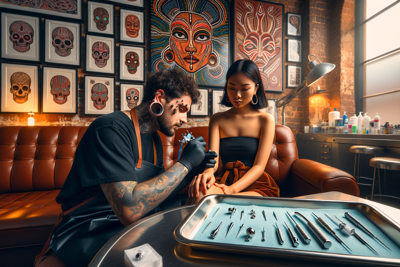
As the body art industry continues to flourish, it’s essential for aspiring piercers in Australia to understand the legal requirements of their profession. One of the most common questions is whether a piercing license is necessary. This article delves into the intricacies of obtaining a piercing license in Australia, providing you with the necessary insights to pursue a successful career in body piercing.
Whether you’re just starting or looking to formalize your skills, understanding the licensing requirements is crucial. Not only does it ensure compliance with local laws, but it also enhances your credibility as a professional piercer. Join us as we explore the requirements, benefits, and steps involved in obtaining a piercing license in Australia.
Understanding Piercing License Requirements
In Australia, the body piercing industry is regulated to ensure the safety and health of both the clients and the piercers. The requirements for a piercing license vary from state to state, with each state having its own set of guidelines and regulations. Generally, obtaining a piercing license involves completing a certified training course, adhering to health and safety standards, and obtaining public liability insurance.
For instance, in New South Wales, the Department of Fair Trading oversees the regulation of body art practitioners, requiring them to register with local councils. In contrast, Queensland requires piercers to complete an infection control course and adhere to specific hygiene standards. These variations underscore the importance of understanding the local requirements for obtaining a piercing license.
While the path to becoming a licensed piercer may seem daunting, it is an essential step for those serious about their craft. By obtaining a license, you demonstrate your commitment to professional standards and your dedication to providing safe and high-quality services to your clients. To get started, it’s crucial to research the specific requirements in your area and embark on a certified training program, such as the one offered by Skinart Australia.
Pros and Cons of Getting Licensed
Deciding to pursue a piercing license in Australia comes with its own set of advantages and challenges. It’s important to weigh these factors carefully to make an informed decision about your career path in body art.
- Pros:
- Enhanced credibility and professionalism
- Compliance with local laws and regulations
- Access to a broader client base due to trust and reputation
- Opportunities for higher earnings and career advancement
- Improved skills and knowledge through formal training
- Protection through public liability insurance
- Ability to work in reputable studios and establishments
- Contribution to the industry’s overall standards and safety
- Cons:
- Initial costs associated with training and licensing fees
- Time commitment for completing required courses and gaining experience
- Ongoing obligations to maintain license and adhere to regulations
- Potential limitations based on local/state regulations
- Need for continuous education to keep up with industry standards
- Increased competition in a regulated market
- Complexity of navigating different state requirements
- Responsibility for ensuring compliance and safety in all procedures
Despite the challenges, obtaining a piercing license can significantly enhance your career prospects and professional reputation. By adhering to high standards and regulations, you not only safeguard your clients but also elevate the perception of the body piercing industry as a whole.
Ultimately, the decision to get licensed should be based on your career goals, your commitment to professional development, and your dedication to providing safe and quality services. With the right training and support, such as that offered by Skinart Australia, you can navigate the licensing process and set yourself up for success.
Steps to Obtain a Piercing License
Embarking on the journey to become a licensed piercer in Australia involves several key steps. Understanding these steps can help you navigate the process more effectively and achieve your professional goals.
The first step is to research the specific requirements for piercing licenses in your state or territory. Each region has its own set of regulations, so it’s crucial to understand what’s expected of you. Once you have a clear understanding, you can begin preparing the necessary documentation and resources.
Next, enroll in a certified piercing course that meets the standards set by local authorities. This training will cover essential topics such as hygiene practices, client safety, and technical skills. Completing this course is a fundamental requirement for obtaining your license.
- Research state-specific licensing requirements
- Gather necessary documentation (e.g., ID, proof of training)
- Enroll in a certified piercing course
- Complete an infection control and hygiene course
- Obtain public liability insurance
- Register with local councils or health departments
- Submit your application for a piercing license
- Stay updated on industry regulations and standards
Once you’ve completed your training and obtained the necessary documentation, you can apply for your piercing license. This often involves submitting an application to your local council or health department, along with proof of training and insurance. Upon approval, you’ll be able to legally operate and offer your services as a professional piercer.
Remember, the process of obtaining a piercing license is not only about meeting legal requirements but also about committing to the highest standards of safety and professionalism. By following these steps and investing in your education, you can build a successful career in the body art industry.
Common Mistakes to Avoid
As you work towards obtaining a piercing license in Australia, it’s important to be aware of common pitfalls that could delay or complicate the process. By recognizing these mistakes, you can take proactive steps to avoid them and ensure a smoother journey.
- Failing to research state-specific requirements
- Overlooking the importance of infection control training
- Not obtaining public liability insurance
- Submitting incomplete or incorrect documentation
- Neglecting ongoing education and skill development
- Ignoring updates to industry regulations
- Choosing an uncertified or unrecognized training course
- Underestimating the time and effort required for licensing
One of the most common mistakes is neglecting to thoroughly research the specific licensing requirements for your state or territory. Each region has its own set of rules, and failing to adhere to them can result in application delays or rejections. Additionally, overlooking the importance of infection control training can jeopardize your application and your ability to provide safe services.
Another mistake is submitting incomplete or incorrect documentation. It’s crucial to ensure that all required documents are in order and accurately reflect your qualifications and experience. By avoiding these common pitfalls and staying informed about industry standards, you can streamline the licensing process and set yourself up for success as a licensed piercer in Australia.
Benefits of Being a Licensed Piercer
Becoming a licensed piercer in Australia offers numerous benefits that can enhance your career and reputation in the body art industry. By obtaining a license, you demonstrate your commitment to professionalism and safety, which can open doors to new opportunities and clientele.
One of the primary benefits of being licensed is the increased credibility and trust you gain from clients. A license signifies that you have met the necessary standards and undergone formal training, which can set you apart from unlicensed practitioners. This trust can lead to a broader client base and more business opportunities.
Additionally, being licensed allows you to work in reputable studios and establishments that prioritize safety and quality. This can lead to higher earnings, career advancement, and the ability to collaborate with other professionals in the industry. Ultimately, being a licensed piercer not only benefits your career but also contributes to the overall standards and safety of the body art industry.
- Increased credibility and trust from clients
- Ability to work in reputable studios and establishments
- Opportunities for higher earnings and career advancement
- Access to a broader client base
- Contribution to the industry’s overall standards and safety
- Enhanced skills and knowledge through formal training
- Protection through public liability insurance
- Compliance with local laws and regulations
Frequently Asked Questions
Here are some common questions about obtaining a piercing license in Australia:
- Do I need a piercing license to operate in Australia?
- Yes, most states require a piercing license to legally operate and offer services as a professional piercer.
- What are the requirements for obtaining a piercing license?
- Requirements vary by state but generally include completing a certified training course, obtaining public liability insurance, and registering with local councils or health departments.
- How long does it take to get licensed?
- The time frame varies depending on the state and the completion of required courses and documentation. It’s important to plan accordingly and ensure all requirements are met.
- Can I work in any state with a piercing license?
- Licenses are generally state-specific, so you may need to meet additional requirements if you wish to work in a different state.
- What if I don’t get licensed?
- Operating without a license can result in legal consequences and damage your professional reputation. It’s important to adhere to local laws and regulations to ensure a successful career.
For more information on the specific requirements and steps for obtaining a piercing license in your area, it’s recommended to contact local health departments or industry associations. They can provide valuable guidance and resources to help you navigate the licensing process.
Final Thoughts
Embarking on a career as a licensed piercer in Australia is a rewarding journey that requires dedication, education, and a commitment to professionalism. By obtaining a piercing license, you not only comply with local regulations but also enhance your credibility and career prospects in the body art industry.
At Skinart Australia, we are dedicated to helping aspiring piercers achieve their goals through comprehensive and accredited training programs. Our courses are designed to equip you with the knowledge and skills necessary to succeed in this dynamic field.
If you’re ready to take the next step in your career and become a licensed piercer, we invite you to explore our online piercing course. With expert guidance and a focus on quality and safety, you can confidently pursue your passion and make a positive impact in the body art industry.
Explore Our Piercing Course
Recent Blog Posts
- 🌙 Eid Mubarak: Celebrate with 5% Off in 2026!
 Eid Savings: 5% Off All Courses Celebrate Eid with a special offer: 5% off any course. Use code EID5 at checkout.… Read More »🌙 Eid Mubarak: Celebrate with 5% Off in 2026!
 - Top Mistakes New Body Artists Should Avoid (2026)
 Stay Ahead: Common Pitfalls for New Artists Read up on the most frequent errors new body artists make, and how to… Read More »Top Mistakes New Body Artists Should Avoid (2026)
 - Client Communication Skills: 2026 Body Art Success
 Master Consultation for Better Results Top communication strategies for client satisfaction and better outcomes in 2026 and beyond. X Send Chat