Step-by-Step Nose Piercing Guide

Welcome to the ultimate Step-by-Step Nose Piercing Guide, brought to you by Skinart Australia. Nose piercing is a popular form of body art that has been embraced by cultures worldwide and continues to be a trendy choice for self-expression. Whether you’re considering getting a nose piercing or are a budding piercer looking to perfect your technique, this guide will provide you with all the essential information you need.
As an internationally recognized provider of body art training, Skinart Australia is committed to educating and empowering individuals in the piercing industry. With our fully accredited courses, you can trust that you’re receiving top-quality education that meets industry standards. Dive into this guide to understand the process, tools, and considerations involved in nose piercing.
In Australia, the demand for skilled piercers is growing, and understanding the intricacies of the nose piercing process can set you apart in this competitive field. Let’s explore the steps, tools, and best practices to ensure a safe and successful nose piercing experience.
Understanding Nose Piercing
Nose piercing is more than just a fashion statement; it’s a practice steeped in history and cultural significance. In many parts of the world, nose piercings are a rite of passage, a symbol of beauty, or a mark of social status. Understanding the cultural background and significance of nose piercing can enhance your appreciation and approach to this art form.
In Australia, nose piercing is embraced by people of all ages and backgrounds. The popularity of nose piercings is due in part to their versatility and the variety of styles available, from studs to hoops. This popularity is reflected in the growing demand for skilled piercers who can perform the procedure safely and professionally.
As a piercer, understanding the anatomy of the nose is crucial. The nose is made up of cartilage and skin, and knowing where to place the piercing to avoid complications is essential. This knowledge not only ensures the safety of your clients but also improves the aesthetic outcome of the piercing.
Tools and Equipment
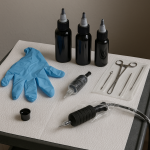
Having the right tools and equipment is essential for any professional piercer. While Skinart Australia does not supply piercing equipment, understanding what you will need and why is a fundamental part of our training. Here are some of the basic tools required for nose piercing:
- Needles: Single-use, sterilized needles are a must for any piercing procedure. They ensure precision and hygiene.
- Forceps: Used to hold the skin in place and guide the needle during the piercing process.
- Marking Pen: To mark the exact spot where the piercing will be placed.
- Jewelry: Choosing the right type of jewelry is crucial. Options include studs, hoops, and captive bead rings.
- Gloves: Non-latex, disposable gloves to maintain a sterile environment.
- Antiseptic Solution: Used to clean the skin before the piercing.
- Autoclave: For sterilizing tools and equipment.
- Sharps Container: For safe disposal of needles.
Each tool has a specific purpose and is designed to ensure the safety and comfort of both the piercer and the client. Proper training in the use of these tools is an integral part of becoming a skilled piercer.
It’s important to note that using high-quality tools and following strict hygiene protocols can significantly reduce the risk of complications. At Skinart Australia, we emphasize the importance of safety and professionalism in all our courses.
Step-by-Step Process
Performing a nose piercing requires precision, skill, and attention to detail. Here’s a step-by-step guide to help you execute the process effectively:
- Consultation: Discuss with the client their preferences, any allergies, and the type of jewelry they want.
- Preparation: Clean the area thoroughly with an antiseptic solution and mark the desired piercing spot.
- Sterilization: Ensure all tools are sterilized and the work area is clean.
- Positioning: Use forceps to hold the skin in place, ensuring precision during the piercing.
- Piercing: Insert the sterilized needle smoothly and swiftly through the marked spot.
- Jewelry Insertion: Carefully insert the chosen jewelry into the new piercing hole.
- Aftercare Instructions: Provide detailed aftercare instructions to the client to ensure proper healing.
- Follow-Up: Schedule a follow-up appointment to check the healing progress.
Each step in this process is crucial to ensure the safety and satisfaction of the client. Proper training and practice will help you master these steps and handle any challenges that may arise during the procedure.
At Skinart Australia, we provide comprehensive training to ensure our students are well-equipped to handle the demands of professional piercing. Our courses are designed to build confidence and competence in aspiring piercers.
Common Mistakes to Avoid
- Incorrect placement of the piercing.
- Using unsterilized tools.
- Not providing adequate aftercare instructions.
- Choosing inappropriate jewelry size or type.
- Failing to check for allergies or sensitivities.
- Rushing the procedure without proper preparation.
- Neglecting follow-up appointments.
- Not maintaining a clean work environment.
Avoiding these common mistakes can make a significant difference in the outcome of the piercing and the satisfaction of your clients. Proper training and attention to detail are key to success in the piercing industry.
By enrolling in Skinart Australia’s online piercing course, you can learn how to avoid these pitfalls and deliver exceptional service to your clients. Our courses are designed to provide you with the knowledge and skills needed to excel in the piercing industry.
Aftercare Tips
Proper aftercare is crucial for the healing process of a nose piercing. Here are some essential tips to ensure a smooth recovery:
- Clean the piercing twice a day with saline solution.
- Avoid touching the piercing with dirty hands.
- Refrain from changing the jewelry before the piercing is fully healed.
- Avoid swimming in pools or hot tubs during the healing period.
- Be cautious with makeup or skincare products around the piercing.
- Watch for signs of infection, such as redness or swelling.
- Do not twist or turn the jewelry unnecessarily.
- Follow up with your piercer if you notice any issues.
Adhering to these aftercare tips can help prevent infections and complications, ensuring a successful healing process. Educating your clients on proper aftercare is an important part of your role as a piercer.
At Skinart Australia, we emphasize the importance of aftercare in our training programs. Our courses cover all aspects of piercing, from preparation to aftercare, ensuring our students are fully equipped to provide top-notch service.
Choosing the Right Training
Choosing the right training program is crucial for anyone looking to pursue a career in piercing. At Skinart Australia, we offer comprehensive online courses that are fully accredited and recognized by industry bodies such as the CPD Standards Office and the Body Art Qualification Association (BAQA).
Our courses are designed to provide students with the knowledge and skills needed to excel in the piercing industry. From understanding the anatomy of the nose to mastering the tools and techniques, our training covers all aspects of professional piercing.
With over 25 years of industry experience, our lead tutor Gary Erskine has trained thousands of students worldwide. His expertise and dedication to education ensure that our courses are of the highest quality, preparing students for success in their careers.
Enroll in our online piercing course today and take the first step towards becoming a skilled and confident piercer. Visit our course page for more information.
FAQs
How long does it take for a nose piercing to heal? Nose piercings typically take about 6 to 8 weeks to heal, but healing times can vary depending on individual factors and aftercare practices.
What should I do if my nose piercing becomes infected? If you suspect an infection, it’s important to keep the area clean and consult with a professional piercer or healthcare provider for advice and treatment options.
Can I change my nose jewelry before it’s fully healed? It’s best to wait until the piercing is fully healed before changing jewelry to avoid complications and irritation.
Is nose piercing painful? Pain levels vary from person to person, but most people describe nose piercing as a quick and manageable discomfort.
How do I know if I’m allergic to certain metals in jewelry? If you have a known metal allergy, opt for hypoallergenic jewelry materials like titanium or surgical steel to minimize the risk of a reaction.
Final Thoughts
Nose piercing is a beautiful form of self-expression that requires skill, knowledge, and care. Whether you’re a client considering a new piercing or an aspiring piercer looking to hone your craft, understanding the process and best practices is essential.
At Skinart Australia, we are dedicated to providing top-quality education and training to help you succeed in the piercing industry. Our comprehensive courses are designed to equip you with the skills and confidence needed to excel in your career.
Take the first step towards mastering the art of piercing by enrolling in our online course today. With the right training and dedication, you can achieve success and make a positive impact in the world of body art.
Latest Blog Posts
- 🌙 Eid Mubarak: Celebrate with 5% Off in 2026!
 Eid Savings: 5% Off All Courses Celebrate Eid with a special offer: 5% off any course. Use code EID5 at checkout.… Read More »🌙 Eid Mubarak: Celebrate with 5% Off in 2026!
 - Top Mistakes New Body Artists Should Avoid (2026)
 Stay Ahead: Common Pitfalls for New Artists Read up on the most frequent errors new body artists make, and how to… Read More »Top Mistakes New Body Artists Should Avoid (2026)
 - Client Communication Skills: 2026 Body Art Success
 Master Consultation for Better Results Top communication strategies for client satisfaction and better outcomes in 2026 and beyond. X Send Chat