Tattoo Machine Setup for Beginners (Coil vs Rotary)

Setting up a tattoo machine can be daunting for beginners, especially when faced with the choice between coil and rotary machines. Understanding the nuances of each type is crucial for ensuring a smooth start in your tattooing journey. Whether you’re just starting out or looking to refine your skills, the right setup can make all the difference in your work’s quality and your client’s satisfaction.
At Skinart Australia, we emphasize the importance of mastering the basics before moving on to more complex techniques. With our comprehensive online tattoo courses, you’ll not only learn the theory behind tattoo machines but also practical setup tips that have been refined by industry professionals. Let’s dive into the world of tattoo machines and discover what works best for you.
Understanding Tattoo Machines
Before delving into the specifics of machine setup, it’s essential to understand the basic components and functions of tattoo machines. These machines are the artist’s primary tool, responsible for creating art that lasts a lifetime. The two main types are coil and rotary machines, each with distinct characteristics and uses.
Coil machines, known for their traditional design, use electromagnetic coils to move the needle. They are often preferred for their power and versatility, making them ideal for lining and shading. On the other hand, rotary machines operate using a motor, offering a smoother and quieter experience. They are lightweight and easy to handle, which can be beneficial for long tattoo sessions.
Understanding these foundational differences is crucial for beginners. It informs not only your choice of machine but also how you approach each tattoo session. As you gain experience, you’ll develop a preference that complements your style and technique.
Coil vs. Rotary Tattoo Machines
The debate between coil and rotary tattoo machines is ongoing, with each offering unique advantages and disadvantages. Understanding these can help you make an informed decision about which machine suits your needs.
- Coil Machines Pros: Known for their power and precision, ideal for detailed line work.
- Coil Machines Cons: Heavier and noisier, which can be tiring during long sessions.
- Rotary Machines Pros: Lightweight and quieter, providing a smoother operation that’s less intimidating for clients.
- Rotary Machines Cons: May lack the power needed for deep shading or lining in larger areas.
Choosing between coil and rotary machines often comes down to personal preference and the type of work you plan to do. Coil machines excel in traditional tattooing styles, while rotary machines are favored for their versatility and ease of use.
It’s also worth noting that many artists use both types, switching between them depending on the specific requirements of the tattoo. Experimentation and practice will help you find the best fit for your artistic style.
Choosing the Right Machine for You
Selecting the right tattoo machine is a personal journey that depends on various factors, including your style, the type of tattoos you create, and your level of experience. Here are some tips to guide your decision-making process:
- Consider the weight and balance of the machine. Heavier machines can cause fatigue, especially in longer sessions.
- Evaluate the noise level. Quieter machines can create a more relaxing environment for both the artist and the client.
- Assess the machine’s versatility. Some machines are better suited for specific styles, such as lining or shading.
- Think about maintenance. Coil machines require more upkeep, while rotary machines tend to be lower maintenance.
- Test different machines if possible. Hands-on experience is invaluable in finding the right fit.
- Seek advice from experienced tattoo artists. Their insights can provide valuable guidance.
- Review online resources and forums for user reviews and experiences.
- Consider your budget. There are quality machines available at various price points.
Ultimately, the best machine is one that feels comfortable and enhances your work. As you grow as an artist, your preferences may evolve, so it’s important to remain flexible and open to trying new tools.
At Skinart Australia, our online courses provide in-depth guidance on choosing and setting up your tattoo machine, ensuring you’re equipped with the knowledge to make informed decisions.
Common Mistakes in Machine Setup
When setting up a tattoo machine, beginners often make mistakes that can affect the quality of their work. Here are some common pitfalls to avoid:
- Incorrect needle depth: Can lead to poor ink saturation or skin damage.
- Improper voltage settings: May cause the machine to run too fast or too slow.
- Neglecting hygiene practices: Essential to prevent infections and ensure client safety.
- Using the wrong needle type: Each needle serves a specific purpose, such as lining or shading.
- Ignoring machine maintenance: Regular cleaning and upkeep are crucial for longevity.
- Overlooking client comfort: A smooth, efficient setup can enhance the client’s experience.
- Skipping practice: Familiarity with your machine improves control and precision.
- Forgetting to check power supply connections: Loose connections can interrupt your workflow.
By being mindful of these mistakes, you can improve your setup process and ensure a smoother tattooing experience. Continuous learning and practice are key to mastering machine setup.
Our courses at Skinart Australia cover these aspects in detail, providing practical tips and techniques to help you avoid common errors and enhance your skills.
Essential Tools for Setup
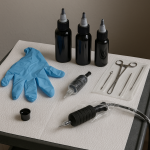
Having the right tools is crucial for setting up your tattoo machine efficiently. Here’s a list of essential items every beginner should have:
- Tattoo machine (coil or rotary)
- Power supply unit
- Foot pedal
- Clip cord
- Assorted needles and tubes
- Inks and ink caps
- Cleaning solutions and disinfectants
- Gloves and protective gear
- Paper towels and skin markers
These tools not only aid in the setup process but also ensure that your tattooing environment remains hygienic and professional. Investing in quality equipment can significantly impact the outcome of your work.
For more detailed guidance on equipment and setup techniques, consider enrolling in our online courses. Skinart Australia’s curriculum is designed to equip you with the practical skills needed to excel in the tattoo industry.
Troubleshooting Machine Issues
Troubleshooting is an essential skill for any tattoo artist, particularly when it comes to machine setup. Here are some common issues and how to address them:
- Machine not starting: Check power connections and ensure the foot pedal is functioning.
- Inconsistent needle movement: Clean the machine and ensure all parts are properly aligned.
- Overheating: Allow the machine to cool down and check for blockages in airflow.
- Unusual noise: Tighten loose parts and check for wear and tear.
- Ink splatter: Ensure needle depth and speed are correctly set.
- Client discomfort: Adjust the machine’s speed and pressure.
- Power surges: Use a surge protector to safeguard your equipment.
- Frequent needle breakage: Ensure you’re using the correct needle for your machine and technique.
Addressing these issues promptly can prevent disruptions during a tattoo session and maintain a professional environment. Regular maintenance and familiarity with your machine will also reduce the likelihood of encountering these problems.
Our online courses at Skinart Australia provide comprehensive training on machine troubleshooting, ensuring you’re prepared for any challenges that arise.
FAQs
What is the difference between coil and rotary tattoo machines?
Coil machines use electromagnetic coils to move the needle, offering power and precision, ideal for line work. Rotary machines use a motor, providing a smoother, quieter experience, perfect for shading and color work.
Which tattoo machine is better for beginners?
Many beginners prefer rotary machines due to their lightweight design and ease of use. However, coil machines offer more power, which can be beneficial as you gain more experience.
How do I maintain my tattoo machine?
Regular cleaning and maintenance are essential. Disassemble the machine periodically for thorough cleaning, check for loose parts, and ensure all components are properly lubricated.
Can I use both coil and rotary machines?
Yes, many artists use both types, switching between them depending on the tattoo’s requirements. Each machine has its strengths, and using both can enhance your versatility as an artist.
How can I learn more about tattoo machine setup?
Consider enrolling in a comprehensive online course like those offered by Skinart Australia. These courses cover everything from machine setup to advanced techniques, providing valuable insights for beginners and experienced artists alike.
Final Thoughts
Embarking on your journey as a tattoo artist is both exciting and challenging. Understanding the intricacies of tattoo machine setup is a vital step in developing your skills and confidence. Whether you choose a coil or rotary machine, the key is to practice, learn, and adapt.
At Skinart Australia, we’re committed to supporting your growth as an artist. Our online courses offer comprehensive training, covering everything from the basics to advanced techniques. With the right guidance and dedication, you can transform your passion for tattooing into a rewarding career.
Take the next step in your tattooing journey. Enroll in our online course today and unlock your potential as a skilled tattoo artist.
Get Started with Skinart Australia
Ready to enhance your tattooing skills? Join our comprehensive online tattoo course today and gain the knowledge and confidence you need to succeed in the tattoo industry.
Recent Blog Posts
- 🌙 Eid Mubarak: Celebrate with 5% Off in 2026!
 Eid Savings: 5% Off All Courses Celebrate Eid with a special offer: 5% off any course. Use code EID5 at checkout.… Read More »🌙 Eid Mubarak: Celebrate with 5% Off in 2026!
 - Top Mistakes New Body Artists Should Avoid (2026)
 Stay Ahead: Common Pitfalls for New Artists Read up on the most frequent errors new body artists make, and how to… Read More »Top Mistakes New Body Artists Should Avoid (2026)
 - Client Communication Skills: 2026 Body Art Success
 Master Consultation for Better Results Top communication strategies for client satisfaction and better outcomes in 2026 and beyond. X Send Chat