Microblading, Ombre or Nano Brows: Compare What You Will Learn
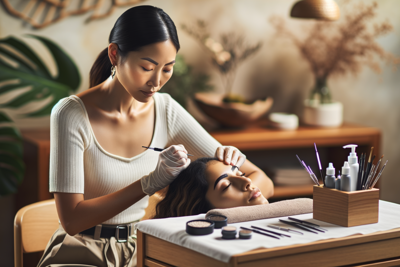
Start your course comparison with two questions: what effect do you want to learn, and what tools and methods does the course teach? Brow names can describe an appearance, an application method or both. A finished photograph alone does not tell you how the work was produced.
Separate the Method From the Appearance
Microblading uses a manual hand tool to create hair-stroke effects. Nano brows commonly refers to machine-created hair strokes. The distinction is explained in Tina Davies Professional’s nano-brow overview. Ask the training provider exactly what it means by the term in its course.
Ombre describes a graduated shaded appearance, rather than a pattern made only of individual hair strokes. When comparing a course, ask which equipment and shading method it teaches and how that differs from its hair-stroke lessons.
These descriptions help you identify the subject you want to study. They do not determine which treatment is suitable for an individual person.
Compare the Actual Practical Work
- For manual hair strokes: what hand-tool exercises and assessment are included?
- For machine hair strokes: which machine skills and stroke exercises are taught?
- For shaded brows: what lessons cover building and reviewing the shaded effect?
- For combined techniques: is the combination specifically taught and assessed?
Ask whether the course starts at your current experience level. A lesson demonstrating a finished technique may assume skills taught elsewhere. Confirm prerequisites, practical submissions and feedback before enrolling.
If you intend to study several methods, use the combined training guide to plan the sequence and keep requirements separate.
Look Beyond Claims About Which Is Best
Do not choose solely because a description promises the most natural result, the longest retention or suitability for every skin type. Ask what the provider teaches about assessment, limitations and explaining expectations.
When reviewing examples, identify whether each photograph shows an immediate result, a documented follow-up or a practice exercise. Compare like with like and account for differences in lighting and framing. A single example cannot promise another person the same outcome.
The portfolio presentation guide explains the labels and context that make examples easier to understand.
Check Equipment, Support and Completion Together
Record the required equipment for each option and ask what is included in the purchase. Do not assume a manual-tool kit also supplies the machine equipment needed for another course. Confirm compatibility and costs before placing a separate equipment order.
Compare the assessment process, support channel, access terms and completion document alongside price. The Australian course-choice guide provides a fuller enquiry checklist.
Send the team your preferred effect, current experience and course names. Ask: “Which option teaches this method from my starting level, what must I practise and submit, and what equipment do I need?” Use that answer to choose your first course rather than buying every option on the strength of a gallery.
Course Details and Next Steps
Review the current course details for Australia and contact Skinart with questions about your selected option. Existing students can return to their lessons in the academy.