Permanent Makeup Trends: How to Evaluate Style References
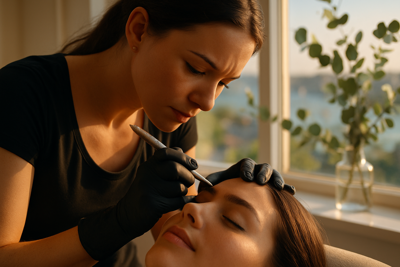
A permanent makeup reference image can help explain a preference, but a trend label alone tells you little about the work shown. Look at the shape, definition, colour appearance and photographic context before deciding what you want to learn or discuss. This guide helps students and prospective clients evaluate references without treating a popular-looking post as evidence of demand or a promised result.
Describe the Features, Not Just the Trend Name
Start with what you can actually see. For brows, that might be the outline, visible texture and contrast. For lips or eyeliner, it might be the apparent colour intensity or definition. These are observations about an image, not a conclusion about how the work was performed.
Write a short description such as “I like the softer-looking edge in this photograph” rather than relying only on a label like “natural” or “latest”. Different people can use the same label for different appearances.
If the method is relevant, ask the artist or training provider to identify it. Do not infer the technique, equipment or course coverage from a caption alone.
Check What the Photograph Actually Shows
Look for information about when the photograph was taken, whether it shows a practice exercise or work on a person, and whether additional work occurred before a later image. Missing context limits what you can learn from the comparison.
- Is the image an immediate photograph or a dated follow-up?
- Are lighting, angle and makeup comparable between images?
- Is the whole relevant area visible?
- Is the creator and their role in the work identified?
- Does the caption explain any additional treatment between stages?
Do not treat a filtered image, a render or a stock photograph as a documented client result. When the source does not explain a stage, record it as unknown rather than inventing a healing timeline.
The PMU portfolio guide shows how to label your own work more clearly.
Build a Small Reference Set With Notes
Choose a few examples and write what you like and what you would change in each. Include the source and the context supplied with the image so you can return to it later.
A useful note has three parts: “feature I like”, “context provided” and “question to ask”. For example: “I like the apparent softness; the stage is not stated; can we compare this with a clearly labelled follow-up example?”
Keep references for private discussion unless you have permission to republish them. Do not place another artist’s image in your own portfolio or imply that you created the work.
Turn References Into Consultation Questions
A reference can support a discussion of preferences, but it is not a promise that another person will have the same result. Ask the practitioner to explain what the image does and does not establish for the proposed service.
- What method does this example show?
- What stage is represented in the photograph?
- Which aspects of the reference are useful to discuss for my goal?
- What information is needed before deciding on a service?
- What follow-up arrangements and limitations should I understand?
Do not select a pigment or treatment plan from an edited screen image. Use the consultation to clarify the options and unresolved questions rather than asking for an exact copy based only on a photograph.
Match a Learning Goal to the Actual Curriculum
For students, turn the reference into a specific learning question. You might want to understand a term used in a demonstration or compare how different examples are described. Ask whether that subject is included in the course and what practical work is required.
The Australian PMU curriculum overview explains the published lesson groups. Do not assume that a trend name adds a method or corrective treatment to the course scope.
For product questions, use the machine and pigment buying checklist. A trend post is not manufacturer documentation or evidence that a product is suitable for your task.
Separate Online Attention From Business Evidence
A post with many views does not show how many local people want the service, what they would pay or whether those enquiries become bookings. Keep inspiration separate from the evidence used in a business plan.
If you already receive enquiries, record the actual questions and requested services without turning a few comments into a claim about the whole Australian market. Review whether your own service descriptions answer those questions clearly.
Choose further learning because it addresses a defined gap in your preparation, not because an unsupported prediction says a style will dominate next year.
Course Details and Next Steps
Review the current course details for Australia and contact Skinart with questions about your selected option. Existing students can return to their lessons in the academy.