Learning SMP From Home: A Practical Study Plan
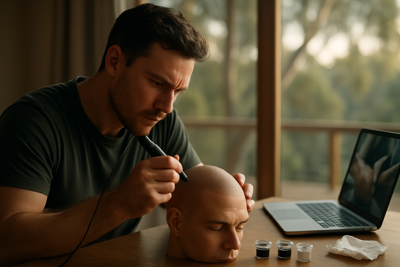
Learning SMP from home takes a workable routine for lessons, assigned exercises and feedback. Build that routine around your course instructions and available time. The aim is to keep the next task clear, rather than follow a generic timetable that assumes every student progresses at the same speed.
Set Up Your Course Materials First
Check that you can open the lessons and required files on the device you plan to use. Save the support contact and assessment instructions somewhere easy to find. If a file or video is unavailable, report the specific lesson and what happens when you try to open it.
Create folders for lesson notes, assigned work and feedback. Use the same exercise name in each place so you can find the instructions, your attempt and the response together. Keep the original files when you submit a revision.
The SMP course contents guide can help you understand the overall outline before organising your own notes.
Give Each Session One Clear Purpose
Separate watching a lesson, completing an assigned exercise and reviewing feedback. You may do more than one in a session, but make the purpose of each clear. A finished video list alone does not show which questions you have resolved.
- Before the session: identify the lesson or assigned task.
- During it: note unfamiliar terms and the point where you need clarification.
- After it: write what you completed and what remains unresolved.
- Before the next session: check whether a tutor response changes the next task.
For example, a theory session might end with two terms to clarify; an exercise session might end with a photograph and one focused question. These are examples of study records, not a prescribed training schedule.
Prepare Only the Assigned Practice Materials
Read the exercise instructions before setting out equipment. Confirm the required materials and any supervision or setting requirements. Do not substitute practice on another person for an assigned practice-material exercise.
If the equipment list is unclear, gather the exact product name and lesson reference and ask your tutor. Use the equipment checklist to prepare a purchasing question before spending money.
Keep practical setup and use within the training and manufacturer instructions. This study plan does not supply machine settings, pigment mixtures or a procedure to perform at home.
Make Feedback Easy to Act On
Submit the work in the requested format with its task name, date and your specific question. Include a complete view before detail photographs when required. Label the material accurately so an exercise is not confused with a client result.
Save the response with the attempt it addresses. Before repeating the task, identify the change requested and ask about anything you cannot explain. Keep the earlier attempt so you can review the sequence.
The SMP practice and feedback guide covers common gaps in exercise records. The portfolio guide helps organise photographs and captions.
Review the Plan Without Inventing a Deadline
At the end of a study period, check three things: completed work, unanswered questions and the next assigned task. Adjust the next session to those facts rather than trying to catch up with a week-by-week plan copied from someone else.
If work or family commitments interrupt your study, identify where you stopped and what you need to revisit. Ask about access or assessment arrangements separately from technical questions so each issue can be answered clearly.
Course completion and preparation to offer services are separate decisions. Keep any questions about future premises, insurance or further practical learning visible in your plan, without treating a particular number of weeks at home as proof of readiness.
Course Details and Next Steps
Review the current course details for Australia and contact Skinart with questions about your selected option. Existing students can return to their lessons in the academy.