Learning Microblading From Home: Plan Your Study
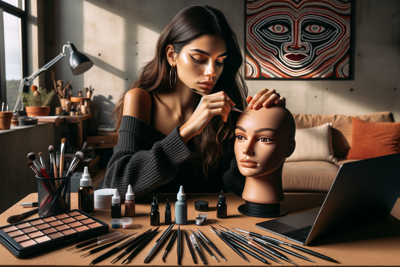
Learning from home works best when you know what to study, what to submit and where to ask for help. Set up those arrangements before filling a timetable with practice sessions. This guide covers organising course-based learning, not performing microblading on yourself or another person at home.
Confirm the Learning Arrangements
Before enrolling, check the curriculum, practical requirements, support and access terms. Ask what you must arrange independently. Do not assume that an online course includes a placement, live supervision or a particular feedback format.
Use the microblading course-choice guide for a focused enquiry. If you need direct observation while learning, discuss that requirement with the provider rather than assuming remote study will meet it.
Set Up the Materials You Need First
Check that lessons and required files open on the device you plan to use. Save the course contact and submission instructions. Report access problems with the lesson name and a short description of what happens.
Create a folder for each assigned task, with space for instructions, your work and feedback. For equipment, confirm the requirements before ordering. The training-kit checklist helps you compare product details and identify unanswered questions.
Prepare only the materials and setting required by the assigned exercise. Keep the course instructions available while working.
Separate Watching, Working and Reviewing
Plan time for three activities: studying the explanation, completing assigned work and reviewing the response. Finishing a recording does not establish that the related task is complete or understood.
- Lesson notes: the topic, unfamiliar terms and questions.
- Exercise record: the task, date, materials and attempt.
- Feedback record: the response, clarification needed and next action.
At the end of a session, write one clear starting point for the next. For example: “Revisit the explanation linked by the tutor before repeating the drawing exercise.” This is a sample study note, not a prescribed exercise or deadline.
Make Your Questions Specific
When you need help, include the assigned task and the point you cannot resolve. Follow the requested photograph or submission format. A clear full view and a short question are more useful than several unexplained close-ups.
Keep the response beside the original attempt. If you do not understand the correction, ask before repeating the task. The beginner study guide covers ways to make that feedback easier to use.
Use the study-portfolio guide to organise the sequence of work. Retain earlier attempts so progress is not reduced to the latest photograph.
Review Progress Against the Course Requirements
Check what you have completed, what still needs feedback and which task comes next. Adjust your study schedule around those facts and the course terms. Avoid treating another student’s completion time as your required pace.
If your eventual aim is a home studio, keep that as a separate plan. Studying at home does not establish that the property can receive clients or that you meet the requirements for the proposed service. See the home-studio planning guide before making business commitments.
A useful learning routine keeps unresolved questions visible and gives you a clear next task. It should support careful progress rather than promise readiness by a particular week.
Course Details and Next Steps
Review the current course details for Australia and contact Skinart with questions about your selected option. Existing students can return to their lessons in the academy.