Tattoo Machine Setup for Beginners (Coil vs Rotary)
Updated
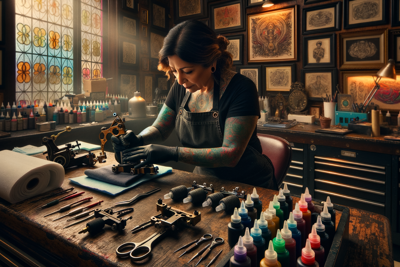
A coil tattoo machine uses an electromagnetic mechanism to move the needle. A rotary uses a motor. For your first setup, identify the exact model and check which power source, grip and needle system its manufacturer supports for your practice task.
Already have a machine? Start with the setup checks and the practice record. Comparing what to buy? See the South African beginner equipment guide.
Introduction to Tattoo Machines
Coil and rotary describe how the machine drives the needle. A pen describes the shape of the housing. Check the manual for the supported needle system: your model may use a cartridge or a needle bar and tube.
Compare weight, controls, power and available parts for the exact models you are considering. Check whether the manufacturer lists them for the lining, shading or colour work in your assignment.
Coil vs Rotary Machines: Pros and Cons
When choosing between coil and rotary tattoo machines, it’s essential to weigh their pros and cons to determine which aligns best with your artistic style and needs.
- Coil Machines Pros: A traditional mechanism that some artists prefer. Compare the intended task and supported parts of the actual model.
- Coil Machines Cons: Check the model’s weight, sound, adjustment and maintenance requirements.
- Rotary Machines Pros: Pen-style and other formats, including models with wired or battery power.
- Rotary Machines Cons: Compatible grips, needle systems, power accessories and servicing vary by model. Include these in your cost comparison.
For a coil machine, use the exact model’s manual to identify its parts, adjustments and maintenance requirements. Bring any unclear instructions to your equipment lesson so you can review them before the assigned exercise.
A manufacturer example shows why the model matters: FK Irons describes its EXO as suitable for power lining and colour packing, with a wired RCA module or a compatible PowerBolt battery. Its manuals hub provides model-specific instructions. Find the corresponding manual for your own machine and version.
Essential Tools and Accessories for Tattoo Machine Setup
Match accessories to the specific machine: power source, controls, needle system and compatible grip. Use the model’s manual to confirm the supplies for your assigned synthetic-skin exercise.
- Power source: Confirm the manufacturer-supported power supply or battery and any required accessories for your model.
- Controls: Check whether the model uses a footswitch, onboard controls or another supported arrangement.
- Connection: Identify the specified RCA cable, clip cord or compatible battery module where applicable.
- Needle system: Confirm the compatible needle-bar and tube arrangement or cartridge system, including any required grip. Record the supported product codes in your equipment notes.
- Grip and related parts: Check compatibility and the manufacturer’s handling, cleaning and maintenance instructions for the exact parts supplied.
- Inks: High-quality pigments for vibrant and lasting tattoos.
- Practice skin: Supports assigned exercises without performing a procedure on a person.
- Cleaning supplies: Essential for maintaining hygiene standards.
Compare supplies by their intended use and manufacturer instructions, not price alone. Keep sterile single-use items separate from reusable equipment that needs cleaning or processing, and choose products with clear supplier documentation.
Skinart’s tattoo course covers equipment assembly, machine operation, wrapping and practical assignments. Use those lessons to review your setup and ask for feedback on an unclear equipment instruction.
Keep the machine instructions and your assignment feedback beside the practice setup. Check each part of the setup before repeating an exercise.
Common Mistakes to Avoid in Tattoo Machine Setup
- Using a depth or power figure copied from a different model or exercise.
- Using low-quality inks.
- Neglecting machine maintenance.
- Using equipment without following its cleaning or reprocessing instructions.
- Skipping practice on synthetic skin.
- Continuing when a connector is loose, a cable is damaged or the machine cuts out.
- Using the wrong needle for the desired effect.
- Overlooking client skin type and condition.
Use these topics as a pre-practice checklist: identify an unclear item, find the relevant manual section and record the question to resolve in your lesson.
Use training assignments to identify setup questions and discuss them with your trainer. Review an unclear instruction before moving on to another practice task.
Steps to Set Up Your Tattoo Machine
Prepare for a trainer-assigned synthetic-skin exercise with this model-specific checklist:
- Record the manufacturer, full model name and version; locate the current manual.
- List the compatible grip, needle system and accessories specified for that model.
- Confirm whether your version uses a specified wired connection or supported battery module.
- Find the manufacturer’s operating and power instructions; do not copy settings from a different machine.
- Ask your trainer which synthetic-skin exercise, materials and controls are assigned at your stage.
- Write down any equipment, handling or setup instruction you cannot yet explain.
- Resolve unclear instructions with your trainer before attempting the affected step.
- Keep the model details, practice observations and trainer feedback together before progressing to another task.
Follow the manufacturer’s assembly and operating instructions for your exact model. Review practice observations and feedback before choosing the next exercise.
Skinart’s tattoo course includes fine-line tattooing alongside the other styles in the published curriculum, equipment lessons and practical assignments. Review the course outline and ask your trainer which exercise suits your current stage of learning.
Bring your machine’s full model name, the relevant instruction and a specific question to your trainer. Use feedback on assigned practice to decide what needs further work before moving on.
Keep a Synthetic-Skin Practice Record
Use one short, tutor-assigned line exercise on synthetic skin. Photograph the first attempt. Repeat the same exercise with one change so you can tell what affected the result.
See a filled-in practice record
Setup: I recorded the machine model, the confirmed cartridge, the synthetic sheet and the tutor’s assignment.
One change: The sheet shifted during the first run. I secured it flat for the second run and kept the same machine, materials and settings.
What I’ll ask my tutor: I kept both photographs. Can you help me tell which wobbles came from sheet movement and which need more hand-control practice?
Frequently Asked Questions
What is the main difference between coil and rotary tattoo machines?
Coil machines use an electromagnetic mechanism; rotary machines use a motor. The intended techniques, power options, controls and compatible needle system depend on the actual model rather than that category alone.
Which type of machine is better for beginners?
Start with the equipment specified for your course. Compare the model, manual, compatible supplies and available support with your trainer before buying.
How often should I maintain my tattoo machine?
Follow the machine manufacturer’s cleaning, barrier and maintenance instructions. Clean and disinfect compatible external surfaces; reusable items that require sterilisation need a validated process appropriate for that item. Replace single-use needles or cartridges after use. The CDC explains cleaning, disinfection and sterilisation as distinct processes.
Can I use the same machine for lining and shading?
Some models support more than one technique. Look for the model’s stated intended uses and compatible consumables, then confirm how they fit your assigned exercise.
Do I need formal training to become a tattoo artist?
Formal training is highly recommended to learn the technical skills and safety protocols required for tattooing. Courses like those offered by Skinart South Africa provide comprehensive education to help you succeed in the industry.
Final Thoughts
Choosing the right tattoo machine and setting it up correctly are foundational steps in your journey as a tattoo artist. Understanding the differences between coil and rotary machines will help you make informed decisions that align with your artistic goals.
At Skinart South Africa, we are committed to providing you with the knowledge and skills needed to excel in the tattoo industry. Our courses offer comprehensive training, covering everything from machine setup to advanced tattooing techniques.
Embrace your passion for tattooing and take the first step towards a rewarding career. With dedication and the right education, you can create beautiful, lasting art that your clients will cherish.
Recent Blog Posts
 A purchase checklist for training offersA useful checkout review checks the details that will matter after purchase. Give it a few minutes even when a promotion…
 Black Friday training offer: 15% off eligible purchasesBlack Friday presents plenty of purchase choices. A useful training decision begins with the actual course outline, prerequisites and selected purchase…
 Make your enrolment questions easy to answerA clear enquiry helps the training team give you a useful answer. You do not need a long personal history; you…