
Common Mistakes New Tattoo Artists Make
Updated
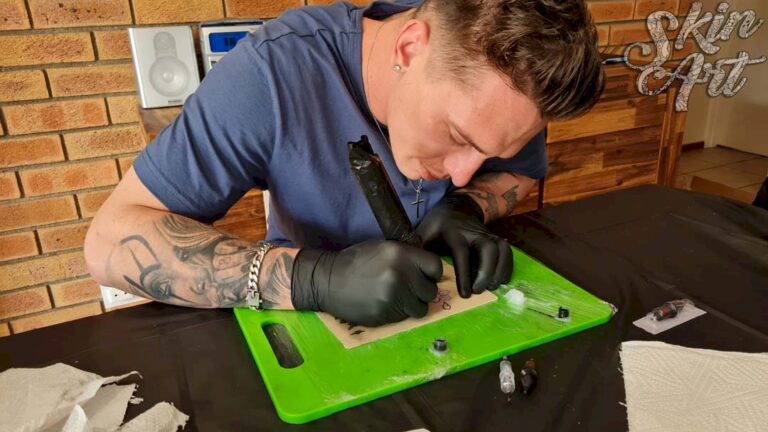
Entering the world of tattoo artistry is an exciting journey filled with creativity and self-expression. However, as a new tattoo artist in South Africa, it’s crucial to be aware of common pitfalls that can hinder your progress. Understanding these mistakes can save you time, money, and stress, allowing you to focus on honing your craft.
Use the mistakes below to review your practice systematically. Whether you study online or in person, keep notes on the task, the difficulty you encountered and the feedback you need before repeating it.
Use the course curriculum and your practice records to identify the next learning task. Drawing, equipment familiarisation, hygiene and communication all deserve deliberate study.
Understanding the Basics
One of the most common mistakes that new tattoo artists make is not fully understanding the basics of tattooing. This includes not only the technical skills required but also the foundational knowledge of skin anatomy and the healing process. Without a solid understanding of these basics, it’s easy to make mistakes that can affect the quality of your work and the satisfaction of your clients.
Skinart tattoo lessons cover design, equipment and professional-practice topics. Work through the exercises in sequence and use feedback to identify what needs another attempt.
Understanding the basics also means being aware of industry standards and best practices. This knowledge not only improves your craftsmanship but also boosts your confidence as a professional tattoo artist. Gary Eagle teaches Skinart’s tattoo and permanent makeup courses.
Choosing the Right Equipment
Choose equipment by its intended use, compatibility and documented instructions. Price alone does not establish suitability; ask your trainer which items are needed for the exercises you are undertaking.
- Compare: Intended use, specifications, consumables and manufacturer support.
- Check: What the selected course or kit includes and what you must obtain separately.
Make a list before buying. Include compatible consumables and the costs of maintaining or replacing equipment rather than assuming that the most expensive option is the best fit.
The tattoo curriculum includes coil and pen machine topics, including building, tuning and wrapping. Review the current lesson and kit details when planning equipment purchases.
Hygiene and Safety Practices
One of the most critical aspects of tattooing is maintaining proper hygiene and safety standards. Failing to adhere to these practices is a common mistake that can lead to serious health risks for both the artist and the client.
Study the distinction between cleaning, disinfection and sterilization, and how these apply to different items and surfaces. A tidy workstation is not the same as a sterile environment.
Use formal hygiene training and supervised practice to understand contamination risks. Keep questions about equipment handling and workspace preparation in your practice notes.
- Study glove use and contamination prevention within your training.
- Identify single-use items and reusable equipment; do not assume that every item is processed in the same way.
- Maintain a clean and organized workspace.
- Follow local regulations and guidelines for tattooing.
- Learn how to communicate the approved aftercare information and when a concern needs professional medical attention.
- Check the intended use, packaging and supplier documentation of needles and inks.
- Ask how incidents and adverse reactions should be escalated under the studio procedures.
- Regularly review and update your hygiene practices.
Effective Client Communication
Building a successful tattoo career isn’t just about technical skills; it’s also about effective communication with your clients. A common mistake new tattoo artists make is not adequately discussing the client’s vision and expectations before starting the tattoo.
- Listen carefully to your client’s ideas and concerns.
- Provide clear explanations of the tattoo process and aftercare.
- Discuss any potential challenges or limitations openly.
- Ensure clients feel comfortable and respected throughout the session.
- Explain the agreed follow-up arrangements and how clients can raise a concern.
- Encourage feedback to improve your services continually.
- Be transparent about pricing and time estimates.
- Maintain professionalism at all times.
Practise explaining a design, confirming expectations and answering questions clearly. These communication tasks can be reviewed alongside practical exercises.
Use feedback to improve how you listen and explain. Clear communication includes recognising when a question needs referral to a trainer or another qualified professional.
Design and Artistry
The art of tattooing goes beyond technical skills; it requires a keen eye for design and artistry. New tattoo artists often struggle with balancing their own artistic style with the client’s vision, leading to dissatisfaction on both sides.
- Respect the client’s design preferences while adding your artistic flair.
- Stay updated with current design trends and techniques.
- Practice sketching and developing custom designs.
- Experiment with different styles to expand your portfolio.
- Attend workshops and seminars to improve your artistry.
- Seek feedback from peers and mentors to refine your skills.
- Maintain a portfolio of your best work to showcase to potential clients.
- Use digital tools to enhance your design capabilities.
The online curriculum includes fine-line work alongside blackwork, traditional styles, watercolour and colour realism. Use the fine-line tattooing study guide to connect style interests with drawing exercises.
Compare the line quality and spacing in a paper drawing exercise with your previous attempt and the feedback received. Note one feature that has improved and one to focus on when you repeat the exercise.
Legal Considerations
Check the requirements that apply to your intended premises, location and services with the relevant local authority and insurer. Avoid assuming that one checklist covers every studio.
- Confirm which approvals or permissions apply to the intended premises and services.
- Ask the relevant local authority about applicable health and premises requirements.
- Keep accurate records of client consent forms and medical disclosures.
- Understand copyright laws when creating custom designs.
- Discuss the proposed activities, cover and exclusions with an insurer.
- Confirm the applicable age and consent requirements before providing a service.
- Keep advertising accurate about your experience, services and training.
- Seek legal advice if you’re unsure about specific regulations.
Professional-practice topics can help you prepare questions about running a studio. Confirm requirements through the relevant authority or adviser rather than treating a course certificate as an operating approval.
Keep a record of the guidance received and review it when your premises or services change.
Pricing and Financial Mistakes
Setting the right pricing for your tattoo services is crucial for your business’s sustainability. New tattoo artists often make the mistake of underpricing their work, which can undermine their value and profitability.
- Research the market to understand competitive pricing.
- Consider your skill level, experience, and the complexity of the design.
- Factor in the cost of materials, time, and overheads.
- Be transparent with clients about pricing and potential additional costs.
- Evaluate any proposed package or promotion against its actual costs and terms.
- Keep track of your finances to identify areas for improvement.
- Seek professional advice if needed to manage your business finances effectively.
- Regularly review and adjust your pricing strategy as your skills and reputation grow.
Build a simple cost record covering consumables, time and overheads. Compare it with the work involved in each proposed service and obtain accounting advice where needed.
Review your estimates against actual expenses. A clear explanation of the price and what it includes helps clients make an informed decision.
Frequently Asked Questions
What are the most common beginner mistakes in tattooing?
Beginners often struggle with understanding skin anatomy, choosing the right equipment, and maintaining proper hygiene. These foundational errors can impact the quality of the tattoo and client satisfaction.
How can I avoid underpricing my tattoo services?
Research the market to understand competitive rates, consider your experience and the complexity of the design, and factor in all costs associated with your service. Transparency with clients about pricing is also crucial.
What legal requirements should I be aware of as a new tattoo artist in South Africa?
Check the requirements for your particular premises, location and services with the relevant local authority and insurer. Keep consent, record-keeping, copyright and advertising questions on that checklist.
How important is client communication in tattooing?
Effective communication is vital for understanding the client’s vision, setting expectations, and ensuring a positive experience. It helps build trust and can lead to repeat business and referrals.
Why is hygiene so crucial in tattooing?
Hygiene training helps you recognise contamination risks and understand the procedures used to manage them. Study equipment handling, workspace preparation and client information as distinct tasks.
Final Thoughts
Choose a small number of learning goals and keep evidence of your attempts. Use feedback to decide what to practise next.
Review the current Skinart tattoo syllabus for drawing, equipment, hygiene and professional-practice topics. Set aside time for practical assignments as well as recorded lessons.
Start with the course information below and compare the selected purchase option, equipment inclusions and support arrangements before enrolling.
Latest Blog Posts
 How to pause a consultation without losing claritySometimes the most useful outcome of a consultation is a clear next step rather than an immediate booking. A calm pause…
 Read product instructions before making a practice planA familiar product name does not tell you everything about its intended use. Product-specific questions belong at the start of planning,…
 Build a practice journal you will actually useA useful practice journal makes the next session easier to plan. It does not need to become a second project or…
