
Do You Need BBP Certification in South Africa?
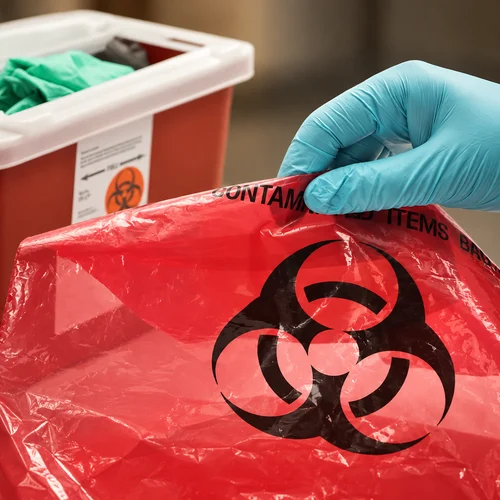
Bloodborne pathogen (BBP) training is relevant to body-art work involving potential exposure to blood. The important distinction is between evidence that someone completed training and the wider arrangements needed to manage risks at the workplace. A certificate alone does not establish full compliance.
Start with the workplace exposure risks
Identify who could be exposed in the work you plan to undertake, including practitioners and anyone handling potentially contaminated items. The training you select should be relevant to those tasks, rather than chosen only for a certificate logo.
South Africa’s October 2022 amendments to the Hazardous Biological Agents Regulations specify that the relevant employee information, instruction and training must be provided before potential exposure. This is an occupational-health requirement; it should not be simplified into a claim that one commercial certificate automatically satisfies every duty.
What useful training evidence looks like
- The learner’s name and the completed course title.
- The completion date and any assessment record provided.
- A syllabus showing the topics studied.
- Any stated validity or refresher conditions from the provider.
- Records of workplace-specific instruction relevant to the person’s tasks.
A manager reviewing these records can identify missing learning or unclear dates. The exercise is about what the person studied and how that learning relates to the work, rather than collecting certificates without checking their scope.
Verify the specific accreditation claim
Skinart’s CPD Standards Office provider entry lists Bloodborne Pathogen Training among its accredited activities. This gives you an independent place to check the named activity.
CPD accreditation and a government licence are different. Ask the employer, insurer or other organisation requesting a certificate what evidence it accepts, rather than assuming that a course listing guarantees acceptance for every purpose or country.
Connect the course to the studio’s arrangements
A general BBP course can support learning about exposure risks, prevention and response. The studio still needs procedures appropriate to its tasks, equipment and working conditions. Staff must understand the arrangements they are expected to follow.
As a training-record example, a practitioner’s course certificate and the studio’s dated instruction record might sit together in the same folder. One shows completed external learning; the other records the local briefing. This is an organisational example, not a complete legal compliance checklist.
Review the records when someone changes duties, when procedures change or when an authority or insurer requests further evidence. If you are uncertain about the applicable occupational-health duties, seek clarification for the actual workplace.
Check the current BBP course
Explore the online BBP course to check its current syllabus, learning format and purchase options. Compare the actual training with the evidence requested for your proposed work.
If you are unsure which course fits your existing skills, contact Skinart South Africa with your location, experience and intended services. We can explain the training; the relevant authority and insurer confirm their own requirements.
Recent Blog Posts
 How to pause a consultation without losing claritySometimes the most useful outcome of a consultation is a clear next step rather than an immediate booking. A calm pause…
 Read product instructions before making a practice planA familiar product name does not tell you everything about its intended use. Product-specific questions belong at the start of planning,…
 Build a practice journal you will actually useA useful practice journal makes the next session easier to plan. It does not need to become a second project or…
