
Health Risks Without Blood Borne Pathogen Training
Updated
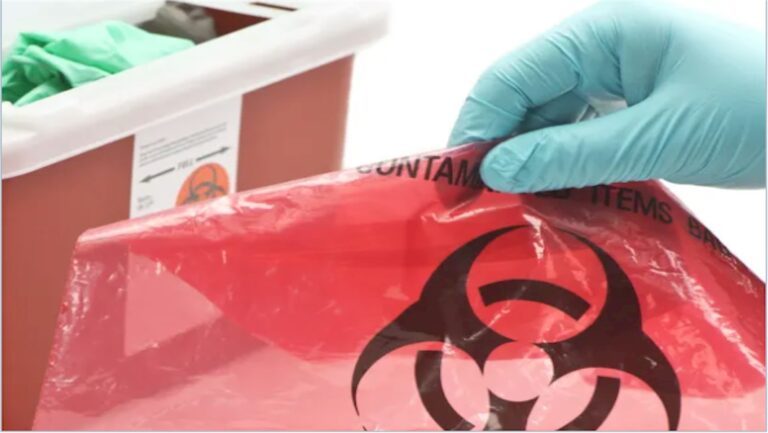
Tattooing and piercing can involve blood, used sharps and contaminated items. Understanding bloodborne exposure helps artists prepare for those tasks and recognise when an incident needs reporting and medical assessment. This guide connects BBP study with the practical questions to check at your studio.
Hepatitis B, hepatitis C and HIV are important bloodborne pathogens. Exposure can occur through a sharps injury or relevant contact with blood; the risk depends on what happened. Training helps artists understand protective measures and the response procedures used in their workplace.
Use this guide to review exposure risks, identify gaps in your knowledge and compare the BBP curriculum with your role. Keep the course learning connected to the procedures, equipment instructions and reporting contacts at your studio.
Understanding Blood Borne Pathogens
Bloodborne pathogens are microorganisms that can cause disease through exposure to infected blood or other potentially infectious material. The CDC/NIOSH bloodborne infectious disease overview identifies hepatitis B, hepatitis C and HIV as key examples and explains why sharps injuries require attention.
The CDC/NIOSH page is a US healthcare reference for understanding exposure and incident response. It does not establish South African training or licensing requirements. Check the workplace procedures and relevant local requirements for the tasks you perform.
Without proper training, artists may inadvertently expose themselves and their clients to these risks. This not only endangers health but also compromises the integrity of the profession.
Risks of Ignoring Training
Gaps in training can leave an artist unsure how to handle a used sharp, choose protective measures or report an exposure. Reviewing these tasks with the person responsible for workplace safety helps you identify what needs clarification before work begins.
- Before a task: Identify the protective measures, equipment instructions and disposal route that apply.
- After an exposure: Follow the workplace’s immediate response and reporting process and seek prompt medical assessment. Do not wait for a course reply before obtaining care.
Check the written safety procedures used in your workplace and the requirements relevant to your role. A course certificate records completed training; it does not by itself establish compliance with every workplace or local requirement.
Keep the exposure-response contacts accessible, alongside the written studio procedure. Review them when duties or the workplace arrangements change.
Importance of Education
Education is key in preventing the spread of blood borne pathogens. Through comprehensive training, artists learn critical safety protocols, proper hygiene practices, and the correct use of personal protective equipment (PPE).
Skinart’s online BBP course provides recorded lessons and a knowledge assessment covering transmission, protective measures, sharps disposal and incident response. Use the curriculum to identify the topics relevant to your work.
Our course covers essential topics such as:
- The nature and transmission of blood borne pathogens
- Hand hygiene and the workplace’s cleaning and equipment-processing procedures
- Use of personal protective equipment (PPE)
- Safe handling and disposal of sharps
- Emergency procedures for exposure incidents
- Communicating safety procedures and recording relevant information
- Exposure-control records and workplace responsibilities
- Maintaining a clean and safe workspace
Common Mistakes
- Using unsterilized equipment
- Neglecting to wear gloves
- Improper disposal of sharps
- Inadequate cleaning of work surfaces
- Failure to conduct client health screenings
- Not updating knowledge on pathogen control
- Ignoring signs of infection
- Overlooking the importance of client education
Work through these questions with your trainer: where are protective items kept, which sharps container is used and whom do you contact after an exposure? A course certificate is part of the learning record; the workplace routines also need to be understood.
Continuous education and staying updated with the latest industry standards are vital for maintaining a safe practice. Skinart South Africa’s courses are designed to keep professionals informed and equipped with the latest knowledge.
Benefits of Online Courses
Online courses offer flexibility and accessibility, making it easier for artists to gain the necessary training without disrupting their schedules. Skinart South Africa’s online blood borne pathogen course is designed to provide comprehensive education in a convenient format.
Benefits of choosing an online course include:
- Flexible learning schedule
- Access to updated materials
- Structured recorded video lessons and a knowledge assessment
- Expert guidance and support
- Cost-effective training solution
- Certification upon completion
- Studio-risk topics to discuss with your trainer or workplace supervisor
- Self-paced course access until completion and certification, with continuing student support afterwards
These benefits make online courses an ideal choice for busy professionals looking to enhance their skills and knowledge.
Turning Training into Workplace Questions
Make the training relevant to your workplace by listing the tasks that could involve blood or contaminated items. Use that list to check the procedures, reporting routes and equipment instructions you need to understand.
Keep evidence of the course completed, its topics and assessment, then discuss any gaps with the person responsible for workplace safety. A learning record is more useful when it connects to the actual tasks you perform.
Before starting a task you are unsure about, know where to find the written procedure and whom to ask. Training helps you recognise questions; it does not replace the studio process or advice required after an exposure incident.
- Where are the written exposure-control procedures kept?
- Who is responsible for explaining workplace safety routines?
- What sharps handling and disposal procedures apply?
- Which equipment instructions and maintenance records need checking?
- How are exposure incidents reported?
- Which contact or reporting route is specified after an incident?
- What training records should be kept for the role?
- When should changed duties or procedures trigger a review of training?
FAQs
What are blood borne pathogens?
Blood borne pathogens are infectious microorganisms present in blood that can cause diseases in humans, such as hepatitis B, hepatitis C, and HIV.
Why is blood borne pathogen training important for tattoo artists?
Training helps tattoo artists understand exposure risks, protective measures and incident reporting. The useful next step is to check how those lessons apply to the studio’s actual tasks and procedures.
How does online training benefit busy professionals?
Online training offers flexibility, allowing professionals to learn at their own pace without disrupting their schedules, while providing comprehensive education and certification.
Is Skinart South Africa’s course recognized?
The CPD Standards Office directory lists Skinart Trading Pty Ltd as provider 22634 and Bloodborne Pathogen Training among its accredited activities. Keep the completion record and confirm any employer or local-authority requirements for your role separately.
Can I access the course materials after completion?
Course access is available until completion and certification, then the course locks. Continuing student support remains available; keep your own training notes and completion record for future reference.
Final Thoughts
Blood borne pathogen training supports informed safety practice. Keep learning connected to your workplace procedures, report concerns through the appropriate route and review training needs as your duties change.
Skinart’s course offers recorded lessons, a knowledge assessment and continuing student support. Review the current curriculum and course terms to decide how the training fits your role.
Don’t wait until it’s too late. Equip yourself with the skills and certification necessary to thrive in the industry. Enroll today and join the ranks of professionals who prioritize safety and excellence.
Get Started Today
Recent Blog Posts
 How to pause a consultation without losing claritySometimes the most useful outcome of a consultation is a clear next step rather than an immediate booking. A calm pause…
 Read product instructions before making a practice planA familiar product name does not tell you everything about its intended use. Product-specific questions belong at the start of planning,…
 Build a practice journal you will actually useA useful practice journal makes the next session easier to plan. It does not need to become a second project or…
