Common Permanent Makeup Mistakes: Preparation and Communication

Useful PMU preparation starts before the procedure: clarify the proposed design, understand the supplies and keep records that support the work. This guide covers learning and communication mistakes rather than instructions for repairing a treatment on a person. Use it to identify a question for your trainer.
Mistake: leaving the design brief vague
Keep the consultation and design discussion specific to the proposed work. A photograph described only as “natural brows” can mean different things to different people. Explain the design choices and record the agreed plan rather than relying on a trend name.
In an assignment, show the design brief and your interpretation together. If the reference points or technique are unclear, ask before continuing the task. A neat drawing does not resolve an unanswered consultation question.
Mistake: treating supplies as interchangeable
Check the tool, component, pigment and practice-material requirements for the task. Retain the relevant product and supplier information. Ask about an item you already own rather than assuming the same brand or colour name establishes suitability.
Use the course’s equipment instructions and product details together. A beginner kit photograph is not a handling protocol. Follow appropriate training for preparation, hygiene and disposal instead of making up a substitute method.
Mistake: repeating practice without feedback
- Keep the assignment instructions beside the attempt.
- Save dated work rather than only the best-looking example.
- State the one point you want reviewed.
- Record the response and any agreed change.
- Compare the next attempt with the original brief.
Practice can reinforce a misunderstanding if you never return to the explanation. Ask how feedback is provided and discuss further practical learning where an issue remains unresolved.
Mistake: promising what a photograph cannot prove
Identify practice work, fresh work and healed results accurately. Use your own permitted photographs, keep meaningful context and avoid editing that changes the apparent treatment result. Do not present borrowed images as your portfolio.
Avoid a guaranteed healing result or claims that every client will obtain the same appearance. Individual concerns need appropriate assessment; a comment or message is not a place to invent a diagnosis or correction plan.
Turn the review into a learning task
| Question | Next action |
|---|---|
| Is the design brief clear? | Explain the intended design and unresolved point. |
| Are the supplies identified? | Check the task requirements and product information. |
| Was the work reviewed? | Submit a specific question and keep the response. |
| Are images described accurately? | Check permission, context and captions. |
The online PMU course includes design, preparation and pigment topics alongside the named techniques. contact Skinart South Africa with the lesson and question you want to clarify, or use the home-study plan to organise your next assignment.
Recent Blog Posts
 How to pause a consultation without losing claritySometimes the most useful outcome of a consultation is a clear next step rather than an immediate booking. A calm pause…
 Read product instructions before making a practice planA familiar product name does not tell you everything about its intended use. Product-specific questions belong at the start of planning,…
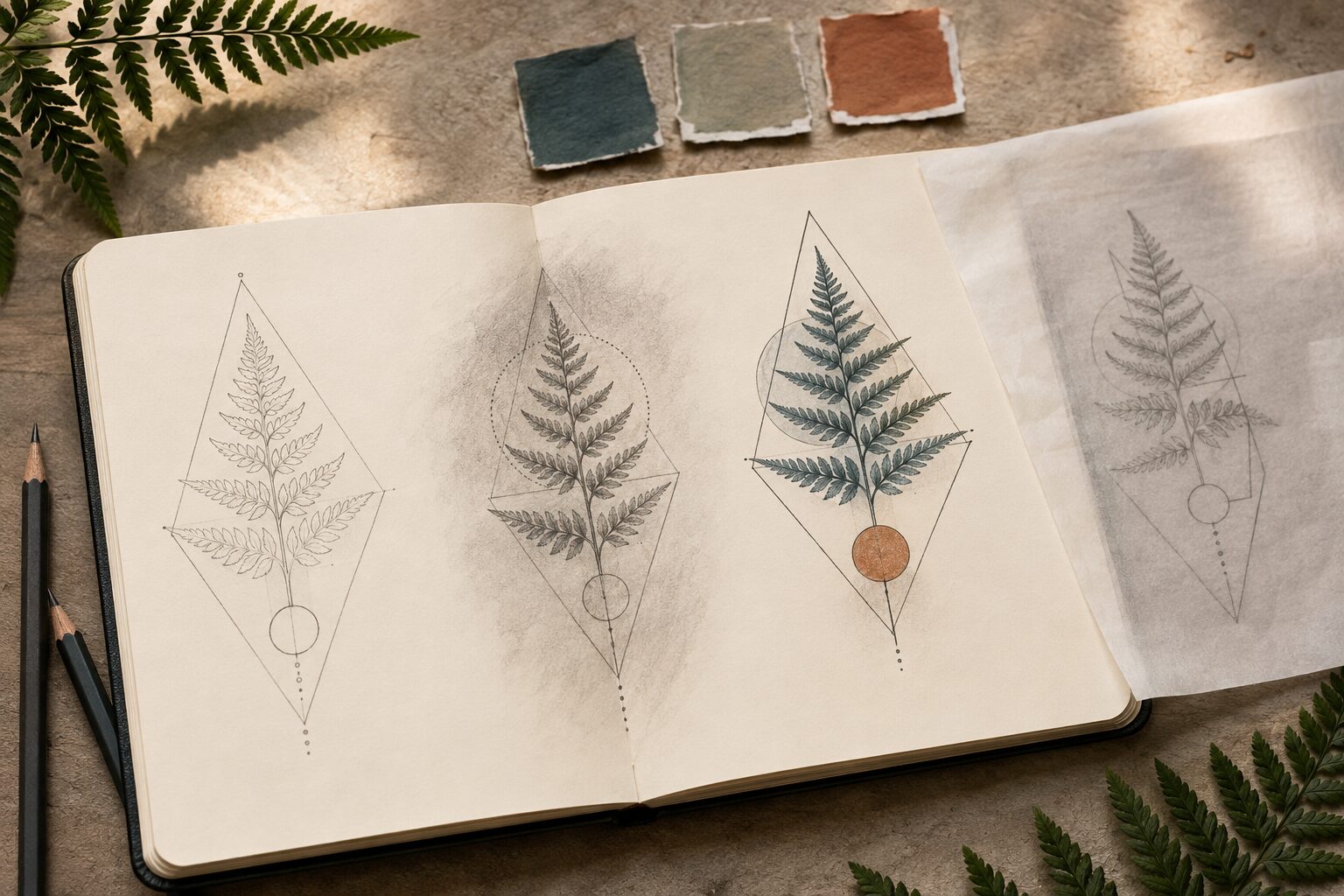 Build a practice journal you will actually useA useful practice journal makes the next session easier to plan. It does not need to become a second project or…