
Piercing Trends and Ideas: Placement and Jewellery
Updated
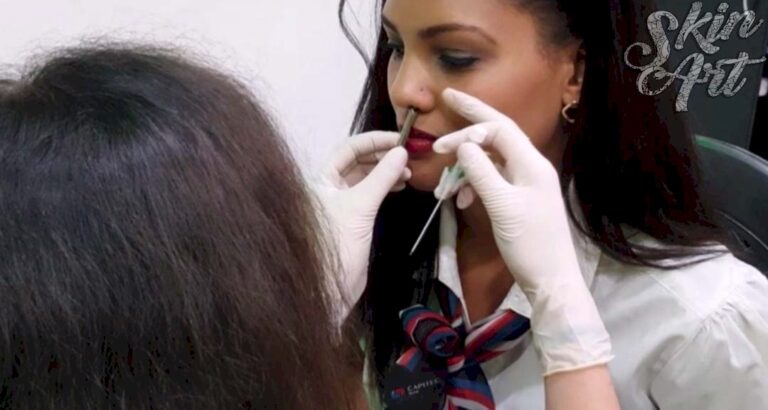
A piercing idea starts with the look you like, but a useful consultation also considers your anatomy, daily routine and time for healing. Use this guide to organise your questions before choosing a placement or comparing piercing training.
Skinart South Africa offers an online piercing course. Compare its current curriculum, practical assignments and support with the subjects you want to study; a fashion image alone cannot tell you whether a placement is suitable.
From Inspiration to a Consultation
An ear arrangement can combine different jewellery shapes and placements without following an annual ranking. Collect a few reference images and explain what appeals to you: balance, a small accent or a more noticeable piece. A piercer can then discuss what is realistic for your anatomy.
For a new piercing, material, finish and fit matter more than a colour or marketing label. Ask about the material specification and available manufacturer documentation; “hypoallergenic” alone does not establish suitability. The Association of Professional Piercers explains these distinctions in its guide to jewellery for initial piercings.
Separate the jewellery used during healing from the look you hope to wear later. Ask which changes should wait until healing is complete and which follow-up appointments the piercer recommends.
Questions Before Choosing a Piercing
Bring these questions to a consultation so that appearance is considered alongside everyday use:
- Anatomy: Is there suitable tissue for the placement I have in mind?
- Jewellery: What material and fit are proposed for the initial piercing?
- Sleep: Could my usual sleeping position put pressure on the area?
- Work: Will headphones, helmets, uniforms or protective equipment contact it?
- Activities: How might sport or planned swimming affect my timing?
- Follow-up: When should the fit be reviewed, and what will that visit cost?
- Longer-term style: Which jewellery options may be appropriate once healed?
- Alternatives: What other placement could suit me if this idea is unsuitable?
For a trainee, the same questions make useful consultation exercises. Practise explaining the limits of a reference image and recording questions that need an experienced practitioner’s assessment.
Good course comparison goes beyond a gallery of finished piercings. Look for the teaching, practical feedback and assessment that help you develop these consultation skills.
Placement Ideas to Discuss
Placement names describe locations or arrangements; they are not recommendations for every person. Discuss the options with a piercer before deciding.
Examples you may encounter when collecting reference images include:
- Earlobe arrangements: Several lobe piercings styled together.
- Conch: A placement in the inner ear cartilage.
- Bridge: A placement across the bridge of the nose.
- Snake Bites: A pair of piercings on either side of the lower lip.
- Septum: A central nose placement to discuss during an individual assessment.
- Helix: A placement along the outer ear cartilage.
- Daith Piercings: Jewellery placed through a fold of inner-ear cartilage.
- Eyebrow: A placement in the eyebrow area.
This list is a starting point for discussion, not a promise that every placement is suitable or included in a particular course. Check the current syllabus for the techniques taught and ask how practical work is assessed.
Common Mistakes to Avoid
A useful consultation should leave space for questions, including concerns that might change the plan. Common gaps to watch for include:
- Not asking how equipment is prepared and sterile items are handled.
- Choosing a position from a photograph without an individual assessment.
- Accepting a jewellery label without asking about its material and fit.
- Leaving without written aftercare information or a follow-up contact.
- Overlooking anatomy or pressure from everyday activities.
- Assuming that a fashionable placement is suitable for everyone.
- Delaying medical attention when an infection is suspected.
- Feeling unable to ask questions or reconsider a choice.
When comparing training, ask how consultation, hygiene, jewellery selection and aftercare are taught and assessed. Practical assignments and feedback should be clear before you enrol.
Keep examples of your questions and feedback as part of your learning notes. Completing a course does not by itself establish permission to practise in every setting.
Piercing Care Tips
Aftercare should follow the needs of the placement and the advice provided at your appointment. The Association of Professional Piercers’ piercing aftercare guidance recommends packaged sterile saline wound wash containing 0.9% sodium chloride, without additives, and advises against rotating jewellery.
Use your written aftercare instructions and discuss any uncertainty with your piercer:
- Check that a saline product is labelled for wound washing; do not substitute homemade salt mixtures.
- Wash your hands before necessary contact with the area.
- Do not twist or rotate the jewellery during healing.
- Reduce friction and pressure from clothing or other items.
- Seek medical attention if you suspect an infection.
- Discuss swimming plans with your piercer before the appointment.
- Have the fit checked rather than changing jewellery simply because the outside looks healed.
- Ask your piercer about fit or irritation; medical concerns need a healthcare professional.
There is no single twice-daily routine or fixed healing deadline that suits every piercing. Ask for advice specific to your placement rather than relying on a short social-media checklist.
Comparing Piercing Training
Gary Eagle teaches Skinart’s tattoo and permanent makeup courses. For piercing training, review the course information to identify the topics and instructor support offered.
Compare the piercing course curriculum and lesson examples with the techniques you want to learn. Keep a note of questions about practical assignments, tutor feedback and continuing support.
Compare the current course topics with your learning goals and the time available for study and practice. Ask about any part of the training or support that needs clarification.
Compare the lesson format, assessment requirements and available support before choosing a course. Ask Skinart about any topic that is unclear in the published information.
Frequently Asked Questions
How do I choose a piercing idea?
Start with a few references, then discuss anatomy, daily activities and initial jewellery with a piercer. Keep alternatives in mind if your first choice is unsuitable.
Is initial jewellery the same as jewellery for a healed piercing?
Not necessarily. Initial jewellery must suit the healing placement. Discuss the intended later look separately and ask when a change can be assessed.
What should I ask during a consultation?
Ask about the proposed placement, jewellery documentation, equipment preparation, written aftercare and follow-up. You should have an opportunity to discuss concerns before deciding.
Does an attractive result photograph prove suitability?
No. A photograph does not establish how the piercing will fit your anatomy or routine. Treat it as a discussion aid rather than a guarantee of the same result.
How should I compare an online piercing course?
Review the current subjects, lesson examples, practical assignments, feedback and certificate requirements. Ask what further practice or supervision you may need; training does not guarantee employment or business results.
Final Thoughts
Choose an idea you can discuss clearly, and be prepared to adapt it after an individual assessment. Appearance, initial jewellery and everyday comfort belong in the same conversation.
If you want to study piercing, use the questions above to compare the Skinart course with your learning needs. Keep the current curriculum and selected purchase option together when planning your study.
Explore the online piercing course below, review the practical requirements and ask the team about any remaining questions before enrolling.
Recent Blog Posts
 How to pause a consultation without losing claritySometimes the most useful outcome of a consultation is a clear next step rather than an immediate booking. A calm pause…
 Read product instructions before making a practice planA familiar product name does not tell you everything about its intended use. Product-specific questions belong at the start of planning,…
 Build a practice journal you will actually useA useful practice journal makes the next session easier to plan. It does not need to become a second project or…
