Combining Microblading and PMU Training: What to Compare
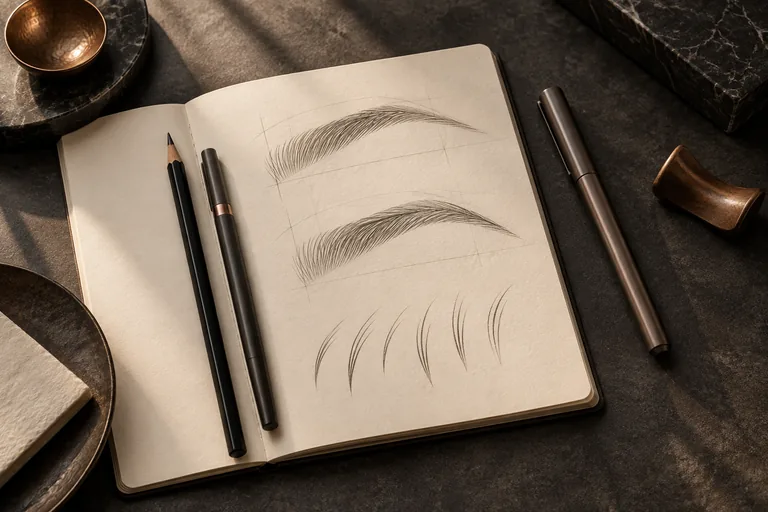
Microblading and machine permanent makeup have related design and client-care topics, but they are not interchangeable techniques. A combined learning plan should show what each course adds, what you need to practise and which equipment is required. Compare the contents before choosing a package.
Compare the two course scopes
| Course | Published learning focus |
|---|---|
| Microblading | Brow design, face mapping, manual-tool work, stroke assignments and pigments. |
| PMU | Machine brow techniques, eyeliner and lips alongside design, consultation and pigments. |
Use the current online microblading course and online PMU course syllabuses for the detail. Do not assume that a shared safety topic means the practical work is identical, or that scalp micropigmentation is automatically included in either course.
Choose a learning order you can sustain
Begin with the skill you most want to understand. Note the foundation lessons and assignments before adding a second technique. If you already practise one discipline, ask which parts of your experience are relevant and which practical tasks remain new.
Keep separate assignment records for each course. A familiar design topic may make the terminology easier, but it does not remove the need to complete the other programme’s requirements. Avoid scheduling client services around an assumed completion date.
Check equipment rather than buying twice
- The tool or machine required for each practical task.
- Practice materials and any course-specific components.
- Pigments and consumables, with their product information.
- What your selected offer includes and what is optional.
- Any further practical-learning arrangements you want to discuss.
Some supplies may overlap, but confirm suitability with the course instructions before sharing or substituting items. A combined course purchase does not automatically include two equipment kits or in-person training.
Review the combination before ordering
The course packages and combination builder lets you compare current full-course combinations. Review the selected disciplines, online or available in-person options, separate-course comparison, displayed saving and final bundle total. Read the inclusion details for the particular offer.
Choose the courses you intend to use. A larger package can have a lower combined price than buying its included courses separately, but unused training still consumes your time and budget. Check equipment and training-day arrangements rather than inferring them from the package name.
Ask a focused package question
Send the team your starting experience, preferred disciplines, training format and equipment already owned. Ask which practical tasks and completion requirements apply to each programme. Keep Pay As You Go Part 1 distinct from a full-course package.
For help comparing your options, contact Skinart South Africa. You can also use the home-study plan to organise the first course before adding another.
Latest Blog Posts
 Tattoo and Piercing Consultations: Pause and Explain the Next StepPause a tattoo or piercing consultation when an unanswered question could leave the client unsure about the next step. Explain what…
 Read product instructions before making a practice planA familiar product name does not tell you everything about its intended use. Product-specific questions belong at the start of planning,…
 Build a practice journal you will actually useA useful practice journal makes the next session easier to plan. It does not need to become a second project or…