
Nose Piercing Guide: Consultation, Appointment and Aftercare
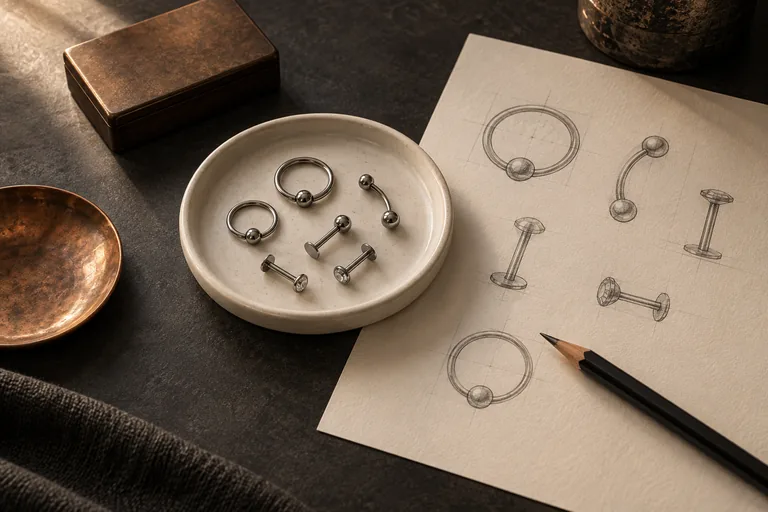
A professional nose-piercing appointment begins with a consultation and ends with clear aftercare and contact details. This guide helps clients understand that process and learners recognise the decisions behind it. It is not a needle-placement or jewellery-insertion tutorial.
Step 1: Choose the practitioner and consultation
Ask who will perform the piercing, how they trained and whether a trainee is involved. Review the studio’s portfolio and ask how the proposed placement and jewellery will be assessed for you. You should have time to ask questions before deciding.
The Association of Professional Piercers’ selection guide discusses qualifications, consultation, hygiene and aftercare. It is a professional reference, not a substitute for the requirements in your location or proof that a named studio is an APP member.
Step 2: Clarify placement, jewellery and cost
| Question | What the answer should clarify |
|---|---|
| What is proposed for me? | The placement and jewellery discussed during individual assessment. |
| What does the price include? | Jewellery, the appointment and any separately charged follow-up. |
| What information is needed? | The studio’s consent process and any medical questions requiring healthcare advice. |
| What if I change my mind? | How the practitioner handles questions or a decision not to proceed. |
Do not treat a reference photograph as a universal placement plan. A learner should observe consultation within the studio’s consent and privacy process, with a clear supervised learning purpose.
Step 3: Understand the studio’s preparation
Ask the practitioner to explain their equipment and hygiene arrangements. The APP selection guide includes questions about sterile equipment and sharps disposal. The practitioner should be able to explain the process in understandable terms.
Let the qualified practitioner lead the invasive procedure. An online checklist cannot replace individual assessment, controlled equipment use and supervised practical training. This guide supplies no substitute instruments, puncture angles or insertion steps.
Step 4: Leave with written care and follow-up
- Keep the practitioner’s written aftercare and contact details.
- Ask how and when jewellery fit will be reviewed.
- Clarify who should answer a care question and who should assess symptoms.
- Record the appointment date and any agreed follow-up.
The APP aftercare guidance advises against rotating jewellery and recommends medical attention when infection is suspected. Do not remove jewellery to treat a suspected infection without discussing it with a healthcare professional.
Step 5: For learners, plan supervised practice
Record the questions, decisions and feedback you observed. Ask your trainer which practical skills still need instruction and assessment before independent work. Watching a procedure or completing a checklist is not the same as demonstrating competence.
Review the online body-piercing course and its consultation, health, equipment and technique topics. Compare that syllabus with your learning plan and local requirements. contact Skinart South Africa if you need help choosing training or understanding what practical learning remains.
Latest Blog Posts
 How to pause a consultation without losing claritySometimes the most useful outcome of a consultation is a clear next step rather than an immediate booking. A calm pause…
 Read product instructions before making a practice planA familiar product name does not tell you everything about its intended use. Product-specific questions belong at the start of planning,…
 Build a practice journal you will actually useA useful practice journal makes the next session easier to plan. It does not need to become a second project or…
