
Tattoo Courses Near Me vs Online: Which Is Better?
Updated
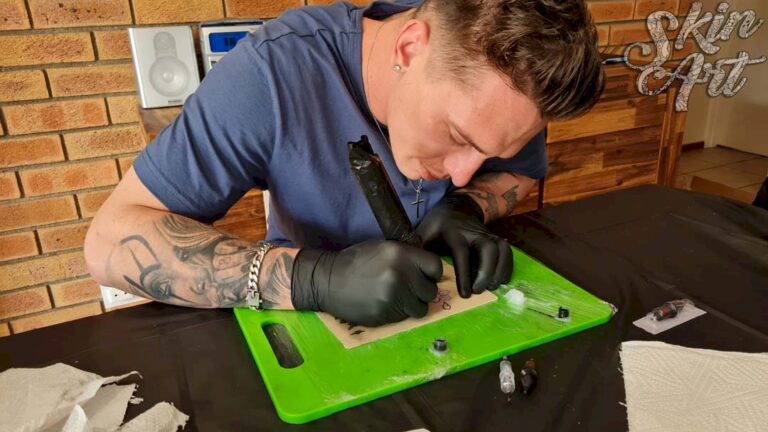
Compare a nearby tattoo course with online study through the work you will actually do: lessons, assignments, supervision and feedback. Location matters, but it does not tell you which practical arrangements are included.
Write down the time you can give to study and any travel needed. Then compare a real course offer in each format against the same list of learning goals.
Gary Eagle teaches Skinart’s tattoo lessons. The current offers include recorded online study and a separate in-person course, with different schedules and practical arrangements.
Understanding Tattoo Courses Near Me
Skinart’s in-person tattoo course lists four days of training plus online material, including supervised work on real models. Confirm the dates, venue and model arrangements for that particular offer; nearby courses should be compared through their own published details.
In-person sessions let you observe demonstrations and receive feedback in the same setting. Identify which exercises are included and how much time is allocated to reviewing your work.
Include transport, accommodation where needed and time away from other responsibilities in the comparison. Check current dates and location before making travel arrangements.
Online Tattoo Courses: A Modern Approach
Online tattoo courses offer a flexible and accessible way to learn, especially for those who cannot commit to a fixed schedule or travel long distances. With online courses, you have the freedom to learn at your own pace, revisit materials as needed, and fit your study around other commitments.
- Flexibility to learn at your own pace
- Access to a wide range of resources and tutorials
- Ability to study from anywhere with an internet connection
- A defined route for submitting questions and practical work
- Costs you can compare against the actual in-person offer
- No need to commute, saving time and money
- Recorded demonstrations you can revisit during study
- Published lesson topics and practical assignments
Online study still includes practical work. Set aside time for assignments and feedback as well as watching lessons; the work is organised differently from supervised sessions in the same room.
Keep a study record with the lesson, attempted exercise and question for feedback. This provides structure when you are working through recorded material at your own pace.
Pros and Cons Comparison
Deciding between local tattoo courses and online training can be challenging. Let’s compare the pros and cons of each to help you make the best choice.
- Local Courses:
- Pros: Scheduled teaching and practical feedback in the same setting, subject to the chosen offer.
- Cons: Limited availability in some areas, fixed schedule, potential travel costs.
- Online Courses:
- Pros: Self-paced recorded lessons and the ability to revisit a demonstration during study.
- Consider: Time for practical assignments, the feedback process and any further supervised development needed.
Ultimately, the decision comes down to your personal learning style, availability, and career goals. Consider what environment you thrive in and what resources are most important to you.
The Skinart in-person and online offers should be compared through their actual schedules, practical work and inclusions. Keep those details beside your available study time.
Choosing the Right Course for You
Selecting the right tattoo course is a crucial step in your career as a tattoo artist. Here are some factors to consider:
- Location: Consider the availability of courses in your area and the convenience of attending them.
- Cost: Compare the costs of local and online courses, including any travel or material expenses.
- Curriculum: Compare the actual lessons, drawing exercises, hygiene topics and practical assignments.
- Recognition: The CPD Standards Office lists Skinart Trading as provider 22634, with Fundamentals of Tattooing among its accredited activities.
- Instructor: Review the named tutor and available lesson examples; Gary Eagle teaches Skinart’s tattoo lessons.
- Flexibility: Consider your schedule and whether you need a course that offers flexible learning options.
- Support: Look for courses that offer ongoing support, guidance, and feedback.
- Reputation: Check reviews and testimonials from past students to gauge the course’s effectiveness and reputation.
Use the answers to make a comparison you can revisit: attendance dates, study time, total costs, assignments and feedback arrangements.
Choose the format that lets you complete and review the work consistently. A clear practical plan is more useful than a broad promise about a future career.
Common Mistakes to Avoid
Embarking on your tattoo training journey is exciting, but it’s important to avoid common pitfalls that can hinder your progress. Here are some mistakes to watch out for:
- Choosing a course based solely on price without considering quality.
- Ignoring the importance of hands-on practice and real-world experience.
- Relying on a general accreditation claim without checking the named provider and activity.
- Not researching the instructor’s background and expertise.
- Failing to create a realistic study schedule for online courses.
- Underestimating the importance of hygiene and safety training.
- Not planning how to submit a specific question or practical exercise for feedback.
- Neglecting to seek feedback and guidance from mentors.
Before enrolling, resolve any gap in the comparison, such as unclear kit contents or feedback arrangements. Keep the answer with the current course details.
The current tattoo curriculum includes drawing, equipment and hygiene alongside style exercises. Plan time for each part rather than judging the course by location alone.
Planning Online and In-person Study
Compare the learning process rather than choosing on location alone. Online study gives you recorded material to work through alongside practical assignments; in-person training adds scheduled tutor-led sessions. In either route, allow time for practice, feedback and assessment.
- Study time: Set aside time for recorded lessons, drawing and practical exercises instead of counting only classroom hours.
- Feedback: Check how you submit work, ask questions and receive tutor feedback before choosing a course.
- Practical preparation: Confirm equipment choices and what you need for practice, then plan a suitable workspace.
- Travel and dates: For in-person sessions, confirm current dates and location before arranging travel or accommodation.
Current Skinart tattoo training includes fine-line alongside blackwork, traditional, watercolour and colour-realism exercises. Comparing the practical tasks and feedback for those styles is more useful than assuming one study format produces a particular career result.
Review the current in-person tattoo course alongside the online option linked below. Our fine-line tattooing guide explains the practice skills to look for when comparing training.
FAQs
What are the benefits of taking a tattoo course near me?
A scheduled in-person course can provide demonstrations and practical feedback in the same setting. Check the actual venue, exercises, supervision and attendance dates for the course being considered.
Are online tattoo courses effective?
Online study combines recorded material with practical assignments and feedback. Its usefulness depends on completing that work and reviewing it, rather than counting video viewing alone.
Can I get certified through online tattoo courses?
The course has completion requirements and a certificate process. The CPD Standards Office directory lists Skinart Trading provider 22634 and Fundamentals of Tattooing; review those specific details alongside the selected offer.
How do I choose between a local and online tattoo course?
Consider factors like your learning style, schedule flexibility, budget, and the quality of the course. Both options have unique advantages that can suit different needs.
What should I look for in a tattoo course?
Compare the actual curriculum, tutor, assignments, feedback, equipment, access terms and completion requirements. Keep the same checklist for each offer.
Final Thoughts
Choosing between a tattoo course near you and an online option is a significant decision that can shape your career path. Both have their unique advantages, and your choice should align with your personal preferences and professional goals.
Start with a manageable drawing and study routine, then use feedback to decide what to repeat or develop next. Keep your records organised whichever format you select.
Review the online and in-person course details and choose the format whose schedule and practical arrangements fit your plan.
Get Started with Skinart South Africa
Explore the online tattoo course below for the current lesson content, practical requirements and purchase options.
Recent Blog Posts
 How to pause a consultation without losing claritySometimes the most useful outcome of a consultation is a clear next step rather than an immediate booking. A calm pause…
 Read product instructions before making a practice planA familiar product name does not tell you everything about its intended use. Product-specific questions belong at the start of planning,…
 Build a practice journal you will actually useA useful practice journal makes the next session easier to plan. It does not need to become a second project or…
