
SMP Training: What Useful Student Progress Evidence Looks Like
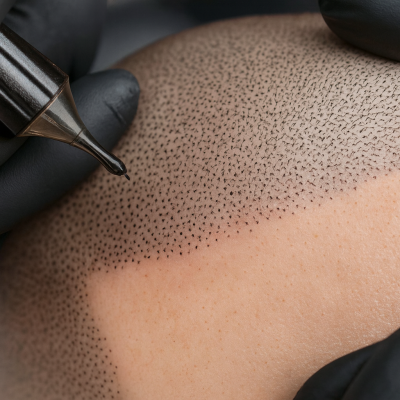
Scalp micropigmentation training stories can be encouraging, but encouragement is different from evidence of learning. A useful account explains the task, the starting point and the feedback that shaped the next attempt. For someone comparing SMP courses in South Africa, that information is more valuable than a claim about a student’s new income or immediate success.
Look for the actual learning task
A student may be reviewing a theory lesson, a design exercise, practice on an approved material or supervised work. The account should identify which of these it describes. A close-up photograph without that context can make different stages of training look interchangeable.
Start with the online scalp micropigmentation course outline. Note the listed topics you want to understand and the requirements you need clarified. A review should help you ask better questions about those topics, not replace the curriculum.
A sequence is more useful than one selected image
Where the course calls for an exercise, retain comparable versions and label them. The accompanying note should explain what changed after feedback. That could be a clearer design decision or a better explanation of the lesson; a progress record need not claim a dramatic transformation.
A fictional practice-record example might say: “I submitted two approved practice-pad studies at the same scale. My question concerned how to describe the differences I could see. I recorded the trainer’s observation beside each image and used it to plan the next study.” It demonstrates record keeping, not a student success story or instructions for performing SMP.
If a portfolio includes work involving a person, keep that separate from practice-pad examples. Identify the context and stage, and obtain permission for identifiable photographs. A well-presented image does not establish competence on its own.
Check the photographic context
Look for comparable framing, lighting and image size. Ask whether a photograph shows the immediate appearance or a later documented result, rather than interpreting two pictures as a complete treatment history. Do not infer a client outcome from a student exercise.
- What does the photograph show?
- When was it taken relative to the work?
- Are comparison images presented under similar conditions?
- What does the caption establish, and what remains unknown?
A filtered image or unexplained crop is less useful for evaluating training. Keep original images in a private learning record and make any public caption accurate about the work shown.
Separate confidence from assessed competence
A review saying “I feel ready” describes the writer’s feelings. To understand the course, ask how the learning was assessed, what practical evidence was requested and what happens when further work is needed. Confirm those details for the current option rather than assuming every course uses the same process.
The same distinction applies to a certificate. Check completion requirements and the certificate issued for the option. Professional, premises and insurance requirements for your intended work must be confirmed separately. A review does not establish universal recognition.
Use a concise course-comparison note
Keep five lines: my experience, the SMP topic I want to learn, evidence from the review, a question about assessment and a question about support. This makes it easier to compare relevant answers rather than collecting impressive but unrelated portfolio images.
Avoid treating a studio-launch story as a revenue forecast. Previous qualifications, other services, location and business choices may be part of that person’s experience, and a single selected account does not tell you how typical an outcome is.
For clarification about Skinart’s current SMP option, contact the South African training team. Include the topic and format you are comparing so that your next step is based on the actual course.
Recent Blog Posts
 How to pause a consultation without losing claritySometimes the most useful outcome of a consultation is a clear next step rather than an immediate booking. A calm pause…
 Read product instructions before making a practice planA familiar product name does not tell you everything about its intended use. Product-specific questions belong at the start of planning,…
 Build a practice journal you will actually useA useful practice journal makes the next session easier to plan. It does not need to become a second project or…
