Piercing Tools for Beginners: Full Kit Breakdown
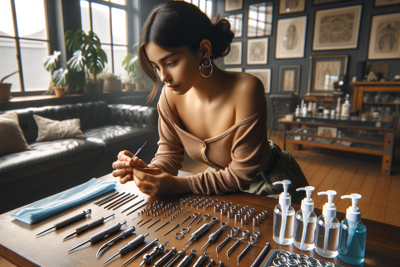
Welcome to the world of piercing, a craft that combines precision, creativity, and a deep understanding of body art. If you’re just starting out, the array of tools and equipment can seem daunting. But don’t worry! In this article, we’ll break down the essential piercing tools for beginners, helping you understand what each tool is used for and why it’s important. Whether you’re aspiring to become a professional piercer in South Africa or simply want to learn more about the art, this guide is for you.
Review the course curriculum, instructor details and lesson examples to understand the training offered. Ask Skinart who will teach and support you on your selected course.
Essential Piercing Tools
The first step to becoming a proficient piercer is understanding the tools of the trade. Each piece of equipment serves a unique purpose, ensuring that the piercing process is both safe and efficient. Here, we break down the essentials that every beginner should have in their kit.
Needles: Piercing needles are the most critical tool in your kit. They come in various sizes, typically ranging from 18 to 14 gauge for beginner-friendly piercings. These needles are designed to create a clean, precise hole with minimal trauma to the tissue.
Clamps: Clamps help hold the skin in place, ensuring accuracy when inserting the needle. They come in different shapes and sizes, such as forceps for ear lobes and septum clamps for nose piercings.
Choosing the Right Kit
When selecting a piercing kit, it’s essential to consider the quality and variety of tools included. A comprehensive kit should contain needles, clamps, receiving tubes, and sterilization supplies. Here’s a look at the pros and cons of investing in a complete kit versus purchasing tools individually.
- Pros: Complete kits offer convenience, often including all the necessary tools and supplies. They are typically more cost-effective than buying each item separately.
- Cons: Some kits may contain tools of varying quality. It’s crucial to research and ensure the kit meets professional standards.
For beginners, a complete kit can be an excellent starting point. It provides an opportunity to familiarize yourself with the tools and practice your technique. However, as you gain experience, you may want to upgrade individual tools to better suit your needs.
At Skinart South Africa, we recommend starting with a high-quality beginner kit. This ensures that you have reliable tools that will help you build a solid foundation in piercing.
Sterilization and Safety
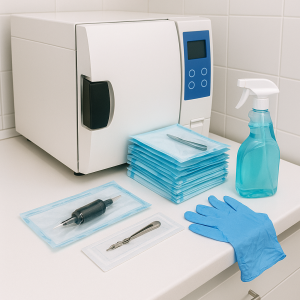
Ensuring the safety of your clients is paramount in the piercing industry. Proper sterilization practices are crucial to prevent infections and ensure a safe piercing experience. Here are some key points to keep in mind:
- Use an autoclave to sterilize all reusable tools.
- Always wear gloves to maintain a sterile environment.
- Use single-use, sterile needles for each piercing.
- Clean the piercing area with an antiseptic solution before proceeding.
- Dispose of needles and other single-use items in a sharps container.
- Ensure that your workspace is clean and organized.
- Educate clients on aftercare to promote healing and prevent infection.
- Regularly inspect your tools for any signs of damage or wear.
At Skinart South Africa, we emphasize the importance of safety and hygiene in all our courses. Our online training provides detailed instructions on sterilization methods, helping you maintain the highest standards of practice.
Remember, a clean and safe environment not only protects your clients but also enhances your reputation as a professional piercer.
Common Mistakes to Avoid
Every beginner makes mistakes, but learning from them is key to becoming a better piercer. Here are some common pitfalls to watch out for:
- Using dull needles, which can cause unnecessary pain and tissue damage.
- Improper sterilization of tools, leading to potential infections.
- Inaccurate placement of piercings, affecting the aesthetic outcome.
- Neglecting to educate clients on proper aftercare.
- Using inappropriate jewelry for initial piercings.
- Failing to maintain a clean workspace.
- Not keeping up with industry standards and regulations.
- Ignoring client feedback and concerns.
By being aware of these mistakes, you can take proactive steps to avoid them. Continuous learning and practice are essential to refining your skills and ensuring a positive experience for your clients.
At Skinart South Africa, our courses are designed to help you navigate these challenges, providing you with the knowledge and confidence to succeed in the piercing industry.
Maintaining Your Tools
Proper maintenance of your piercing tools is vital to ensure their longevity and effectiveness. Regular cleaning and inspection can prevent issues and keep your equipment in top condition. Here’s how you can maintain your tools:
- Clean tools immediately after use to remove any residue.
- Inspect tools regularly for signs of wear or damage.
- Lubricate moving parts to ensure smooth operation.
- Store tools in a clean, dry place to prevent rust.
- Use protective covers for sharp instruments.
- Replace worn or damaged tools promptly.
- Keep a detailed inventory of your tools and supplies.
- Stay updated with the latest maintenance techniques and products.
By taking the time to care for your tools, you’ll ensure that they remain reliable and safe for use. This not only benefits your clients but also enhances your reputation as a professional piercer.
Skinart South Africa’s online courses include comprehensive modules on tool maintenance, providing you with the skills you need to manage your equipment effectively.
Frequently Asked Questions
What are the most important tools for a beginner piercer?
The most important tools for a beginner include piercing needles, clamps, receiving tubes, and sterilization supplies. These tools are essential for performing safe and accurate piercings.
How do I ensure my tools are properly sterilized?
Use an autoclave to sterilize all reusable tools, and always use single-use, sterile needles. Maintain a clean workspace and follow best practices for hygiene and sterilization.
Can I use a piercing gun instead of needles?
Professional piercers typically avoid using piercing guns as they can cause more tissue damage and are less sanitary than needles. Needles provide a more precise and controlled piercing.
How can I learn more about piercing techniques?
Enrolling in a comprehensive online course, like those offered by Skinart South Africa, is an excellent way to learn about piercing techniques and gain the necessary skills and accreditation.
What should I do if a client experiences complications after a piercing?
If a client experiences complications, advise them to seek medical attention and offer guidance on proper aftercare. Always be prepared to address concerns and provide support.
Final Thoughts
Embarking on a career in piercing is a rewarding journey that combines art, precision, and a commitment to safety. By understanding and investing in the right tools, you set the foundation for a successful practice. Remember, continuous learning and adherence to industry standards are crucial for growth and client satisfaction.
At Skinart South Africa, we’re here to support your journey. Our online courses are designed to equip you with the skills and knowledge needed to excel in the piercing industry. With our guidance, you’ll gain the confidence to perform piercings safely and professionally.
Take the first step towards becoming a skilled piercer by enrolling in our online piercing course. Let’s make your passion for piercing a successful career!
Recent Blog Posts
 Choose your next learning goal with evidenceA long list of courses can make progress feel harder to define. Start with a specific task you want to understand…
 Avoid These Consultation Mistakes in 2026A good consultation leaves the client and artist with the same understanding of the proposed work, its limits and the next…
 Sterilization 2026: Setting the Gold Standard in Your StudioReviewing a studio's sterilization arrangements means checking an established, documented process with a qualified person. A clean-looking instrument or a completed…