
From Hobby to Career: Turning Tattooing Into a Business
Updated
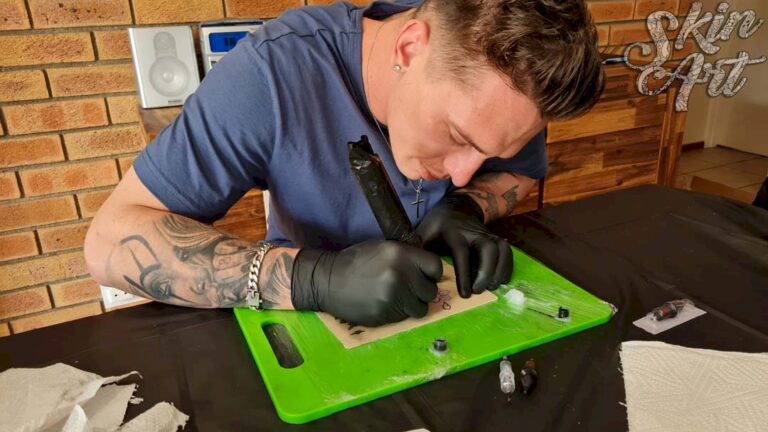
Turning tattoo practice into a business means planning the work around the art: training, premises, costs, a clear portfolio and a reliable enquiry route. Use the sections below to turn those decisions into a practical checklist.
Start by comparing the course curriculum, practice requirements and study format with your available time. Separate the training budget from equipment, premises and ongoing business costs so that you can see what each decision involves.
Gary Eagle teaches Skinart’s tattoo and permanent makeup courses. Review the curriculum and lesson examples when planning your training.
Understanding Tattooing as a Career
Tattooing combines design work with preparation, communication and careful record-keeping. A business plan needs to account for the time spent on those tasks as well as appointments. Start with the work involved rather than assuming that wider interest in tattoos will become local demand.
Build a picture of demand in your proposed area. Note the enquiries you receive, the services people ask about and the questions that remain unanswered. Use that evidence to refine your plan instead of assuming that general industry interest will translate into bookings.
Skinart online tattoo training combines recorded lessons, practical assignments and tutor feedback. Use the published curriculum to organise your learning, then keep a separate plan for premises, expenses and enquiry handling.
Pros and Cons of a Tattooing Career
Choosing tattooing as a career comes with its own set of advantages and challenges. Understanding these can help you make an informed decision about pursuing this artistic path.
- Pros:
- Creative freedom and expression
- Opportunities for personal growth and development
- Scope to plan a working schedule around appointments and preparation
- Responsibility for setting prices against actual costs and available time
- Connection with a diverse clientele
- Constantly evolving industry with new trends
- Opportunities to discuss collaboration or guest arrangements with individual studios
- Ability to build a personal brand and reputation
- Cons:
- Initial investment in equipment and training
- Irregular income, especially when starting out
- Physical strain from long hours and repetitive motions
- Health risks without proper safety measures
- High competition in the industry
- Need for continuous education and skill improvement
- Client management and communication challenges
- Potential for burnout due to creative demands
Turn the advantages and challenges into practical decisions. Write down the working hours you can commit, the expenses you will need to cover and the parts of your training that require further practice.
Make a learning list from the current curriculum and a separate business list for matters such as premises, costs and enquiry handling. Assign a next action to each item so that neither list becomes a collection of vague intentions.
Steps to Start Your Tattoo Business
Use these steps to build a working plan. Keep the evidence for each decision, such as a course outline, a written quotation or a record of a premises enquiry:
1. Research and Education: Compare the current course format, practical assignments and feedback arrangements. Keep dated exercises and notes so you can see which skills need further work before taking on new responsibilities.
2. Business Planning: Write down the proposed services, audience, working hours and costs. Separate confirmed quotations from estimates and leave unresolved premises or insurance questions visible.
- Research the local market and identify your niche
- Choose a suitable location for your studio
- Confirm the requirements for your proposed premises and services with the relevant local authority and insurer
- List suitable equipment, compatible consumables and their documented costs
- Design a welcoming and professional studio space
- Establish a strong online presence through social media and a professional website
- Create a clearly labelled portfolio of your own practice and work
- Network with other professionals in the industry
Give each open item a next action and a place to record the answer. For example, retain the equipment quotation with its date and inclusions instead of copying only its headline price into the budget.
Create a budget with separate lines for training, equipment, consumables, premises and ongoing expenses. Record where each estimate came from and update it when you obtain a written quotation or clearer information.
Common Mistakes to Avoid
Starting a tattoo business can be challenging, and avoiding common mistakes is crucial to your success. Here are some pitfalls to watch out for:
- Underestimating the importance of proper training and certification
- Neglecting safety and hygiene standards
- Failing to manage finances and budget effectively
- Ignoring the need for continuous skill development
- Overlooking the value of marketing and branding
- Underpricing your services
- Not maintaining a professional and welcoming studio environment
- Failing to build a strong online presence
Use the list to review one practical area at a time. A missing cost estimate, an unclear enquiry route and an unfinished exercise require different next steps; keep each action specific.
Review the checklist before committing to a major expense. Resolve training questions with the course provider and premises or insurance questions with the relevant authority or adviser.
Marketing Your Tattoo Business
Start with a clear account of the services you offer and the work you can show. Make it easy for someone to understand a portfolio entry and find the enquiry route:
1. Develop a Strong Brand: Create a unique and memorable brand identity that reflects your style and values. Your brand should be consistent across all platforms, from your studio decor to your online presence.
2. Utilize Social Media: Leverage platforms like Instagram and Facebook to showcase your work, connect with potential clients, and engage with your audience. Regularly update your profiles with high-quality images of your tattoos and behind-the-scenes content.
- Build a professional website with an online portfolio
- Engage with local communities and participate in events
- Evaluate any proposed promotion against its costs, inclusions and terms
- Encourage satisfied clients to leave reviews and referrals
- Collaborate with other artists and businesses
- Use an agreed contact channel for people who have requested updates
- Invest in professional photography to showcase your work
- Stay updated on industry trends and adapt your marketing strategies accordingly
Review marketing through actual enquiries: what was requested, which information was unclear and what happened next. Keep those observations separate from assumptions about future bookings.
Open your portfolio and contact page on a phone. Check that photographs are labelled, the services are understandable and the enquiry route is easy to find. Keep a list of recurring questions to improve the information visitors see.
From Practice to a Business Plan
Use the following checklist to connect learning with business preparation. Each item should produce something you can review, such as a dated practice record, a cost estimate or a working contact page.
- Training plan: match the published lessons and practice requirements to the time you can set aside.
- Practice record: retain dated examples of assigned work with the questions and feedback they produced.
- Portfolio: label practice, fresh work and healed work clearly, with permission for any client photographs. The portfolio guide shows how to organise photographs and a private feedback record.
- Budget: separate one-off purchases from ongoing costs and record the source of each estimate.
- Enquiry route: check the contact details, service descriptions and response process on a phone.
Review the checklist regularly and replace assumptions with information you have obtained. Keep completed items and open questions visible so that your next decision is based on the current plan.
For training questions, have the course name and selected option ready when contacting Skinart. A specific question about an inclusion or completion requirement is easier to resolve than a general request for everything needed to open a studio.
Frequently Asked Questions
Q: How do I start a career in tattooing?
A: Begin with a training plan and practical assignments, then maintain a labelled record of your work and feedback. Treat business preparation as a separate set of decisions about premises, expenses and enquiries.
Q: What equipment do I need to start tattooing?
A: Make a list from the course requirements and check what the selected offer includes. Mark what you already own, what needs a compatibility check and what must be purchased separately.
Q: How much can I earn as a tattoo artist?
A: Use your own cost and booking records to assess this. Distinguish money received from what remains after consumables, premises and other expenses; do not budget on the assumption that every available appointment will be booked.
Q: Is tattooing a stable career?
A: Income and demand vary. Review your costs and actual enquiries regularly, and use conservative assumptions when planning expenses rather than treating future bookings as certain.
Q: What should I check about hygiene and safety?
A: Work through the relevant course topics and keep a list of questions about your proposed workspace and procedures. Confirm the premises and insurance requirements with the organisations responsible for them.
Final Thoughts
Keep the next step small enough to complete and review. For drawing practice, the fine-line tattooing study guide connects line and spacing exercises with the course curriculum. For the business plan, obtain one missing estimate or test one part of the enquiry process.
A completion certificate records completed training; it does not automatically establish professional readiness, regulatory approval or acceptance by every insurer. Confirm the requirements for the work and location you have in mind before offering services.
Choose the next concrete step: compare the course formats, obtain a missing cost estimate or improve one part of your portfolio. Keep the plan manageable and update it as you learn more.
Recent Blog Posts
 How to pause a consultation without losing claritySometimes the most useful outcome of a consultation is a clear next step rather than an immediate booking. A calm pause…
 Read product instructions before making a practice planA familiar product name does not tell you everything about its intended use. Product-specific questions belong at the start of planning,…
 Build a practice journal you will actually useA useful practice journal makes the next session easier to plan. It does not need to become a second project or…
