
Is Microblading a Good Career in South Africa?
Updated
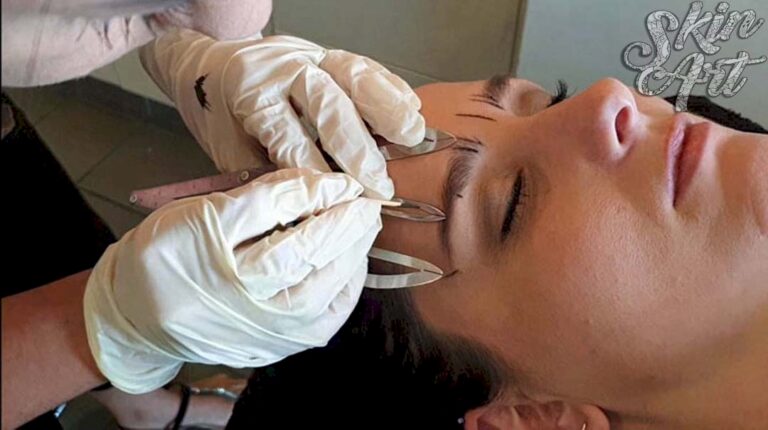
Deciding whether to pursue microblading in South Africa involves both a learning plan and a business plan. Compare the practical skills you need to develop with the costs, working arrangements and actual enquiries in your proposed area.
Use this guide to organise those decisions. Keep evidence such as course details, practice records and cost quotations beside the assumptions you still need to check.
Understanding the Microblading Industry
Microblading is a manual hair-stroke brow technique. Its curriculum involves more than a finished design: mapping, pigment selection, hygiene, consultation and aftercare topics also need study.
Build a local picture of interest through actual enquiries and the services requested. Record what people ask for and avoid treating a national popularity claim as evidence of bookings for your own plan.
Include practical development, equipment, premises and administration in the plan. Separate a course purchase from the wider costs and requirements of offering a service.
Pros and Cons of a Microblading Career
Embarking on a career in microblading offers numerous advantages, but it’s essential to weigh these against potential drawbacks. Here are some key pros and cons to consider:
- Pros:
- An opportunity to develop a defined practical and creative skill
- Opportunity for creativity
- Scope to plan a schedule around appointments and preparation
- Responsibility for pricing work against actual costs and available time
- Work that combines design, preparation and communication
- Cons:
- Initial investment in training and equipment
- Requires continuous skill development
- High responsibility for client safety and satisfaction
- Potential for inconsistent income
Record the training and equipment costs before committing to the plan. Mark which figures come from a current quotation and which remain estimates, then identify the next missing item.
Review both lists as you progress: what the next assignment requires, and what the proposed working arrangement would cost. They answer different questions and should remain easy to distinguish.
Skills Required for Microblading
To succeed in microblading, artists must possess a unique set of skills that combine technical precision with artistic flair. Here are some of the essential skills required:
- Attention to detail
- Steady hand and dexterity
- Understanding of facial symmetry and aesthetics
- Knowledge of skin anatomy and healing process
- Proficiency in color theory
- Strong communication skills
- Ability to manage client expectations
- Commitment to hygiene and safety standards
Skinart’s microblading curriculum includes mapping, manual hair strokes, pigment selection and aftercare topics. Allow time for the practical assignments as well as recorded lessons.
Keep a dated example of each exercise and a note of the feedback received. Compare the next attempt with that feedback rather than relying on a broad impression of progress.
Common Microblading Mistakes
- Incorrect pigment color matching
- Improper depth of blade insertion
- Poorly designed eyebrow shape
- Insufficient aftercare instructions
- Confusing cleaning, disinfection and sterilization requirements for different items
- Rushing the procedure
- Ignoring client’s natural brow shape
- Assuming that one screening step establishes suitability for every client
Use the list to identify the topic that needs further study and the question you want answered. Keep that question with the relevant exercise or lesson notes.
Review the course demonstrations and practical assignments with your tutor’s feedback. A clear record of the attempt makes it easier to identify the next learning task.
Microblading in South Africa
For a South African business plan, start with the intended area and working setting. Record local enquiries, available premises and documented costs instead of assuming that demand in a major city applies to every location.
Keep consultation and communication skills in the learning plan alongside brow design. Practise explaining an example and its intended effect clearly, without promising the same result for every person.
Confirm premises and insurance requirements for your intended location with the responsible authority or adviser. Compare training through its actual curriculum and assessment requirements.
- Local enquiries and the services requested
- The working setting and its documented costs
- Drawing and practical assignments to complete
- The selected course curriculum and completion requirements
- A clear route for questions and feedback
FAQ: Microblading Career in South Africa
What qualifications do I need to become a microblading artist in South Africa?
Compare training that develops the practical skills and includes assessment and feedback. Before offering microblading treatments, confirm your practical readiness and the insurance, workplace and local requirements relevant to your practice; a course certificate records training completion.
How much can I earn as a microblading artist in South Africa?
Income varies with bookings, the working arrangement and costs. For your own plan, record expected treatment revenue separately from consumables, workspace, insurance, marketing and unbooked time. Compare what remains with the hours needed for appointments and administration; course completion does not guarantee earnings.
Is microblading a popular service in South Africa?
Assess interest in the area where you intend to work through actual enquiries and service requests. Keep those observations separate from forecasts of future bookings.
How do I find clients as a new microblading artist?
Create a clearly labelled portfolio of your own work and an easy-to-find enquiry route. Review it on a phone, keep descriptions accurate and record recurring questions so you can improve the information people see.
What are the risks associated with microblading?
Study the course topics on consultation, hygiene, reactions, healing and aftercare. Keep questions about an individual’s suitability or a medical concern for the appropriately qualified professional rather than trying to resolve them from a general career guide.
Final Thoughts
Choose the next practical decision: complete an exercise, obtain a missing cost quotation or clarify the requirements of the intended workspace. Keep the evidence with the plan so it can be reviewed.
Compare the current microblading curriculum, practical assignments and feedback arrangements with the time you can give to learning.
Explore the course below for the current study and purchase options. Keep the learning plan and business preparation clear as you decide how to proceed.
Recent Blog Posts
 How to pause a consultation without losing claritySometimes the most useful outcome of a consultation is a clear next step rather than an immediate booking. A calm pause…
 Read product instructions before making a practice planA familiar product name does not tell you everything about its intended use. Product-specific questions belong at the start of planning,…
 Build a practice journal you will actually useA useful practice journal makes the next session easier to plan. It does not need to become a second project or…
