
Microblading vs Ombre vs Nano Brows: Which Should You Learn?
Updated
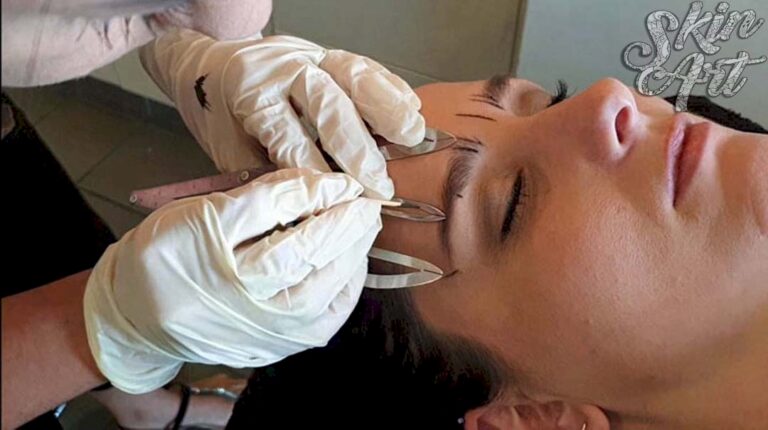
Microblading, ombre and nano brows describe different approaches to brow design and pigment application. Compare the effect being taught, the equipment and the practical assignments before choosing a course.
Start with the visual distinction: hair-stroke designs and shaded designs require different exercises. Keep those learning goals separate from assumptions about demand, earnings or how long a treatment will last.
Gary Eagle teaches Skinart’s tattoo and permanent makeup courses. Compare the brow techniques covered by each course and review the relevant lesson examples before choosing your training.
Microblading Overview
Microblading uses a manual tool to create a hair-stroke brow design. In training, compare the drawing, mapping and stroke exercises rather than judging the method only by a finished photograph.
The microblading curriculum includes brow mapping, manual hair-stroke work, pigment selection and aftercare topics. Use those lesson areas to plan the drawing and practical assignments you will need to complete.
Before choosing training, write down the skills you want to study and compare them with the published lesson list. This gives you a firmer starting point than a general claim about market popularity.
Ombre Brows Explained
Ombre Brows, also known as Powder Brows, is a shading technique that creates a soft, powdered look similar to makeup. Unlike microblading, which uses hair-like strokes, ombre brows involve filling in the brows with tiny dots of pigment to achieve a gradient effect.
- Study focus: Shading, shape and the transition in tone across the brow design.
- Compare: A shaded effect differs from individual hair-stroke work; neither description establishes suitability for every person.
Use paper designs to compare a shaded brow with a hair-stroke design. Label the intended effect so your tutor can review the design choices clearly.
The PMU curriculum lists ombre brows alongside nano brows and other permanent makeup topics. Compare the exact lesson coverage and practice requirements before choosing an option.
Nano Brows Details
Nano brow training uses machine-based hair-stroke work. Compare the equipment demonstrated in the course and the drawing exercises used to plan the design.
Keep examples of the intended hair-stroke pattern with your practice notes. A photograph alone cannot establish how the result will heal or how long it will last.
- Machine-based hair-stroke design exercises
- Equipment and compatible consumable selection
- Consultation and suitability assessment topics
- Time for practical assignments and feedback
- Comparison of the intended design with the practice result
- Hygiene and client-care topics
- Pigment selection and colour-theory study
- Requires specialized training and equipment
Choose nano brow training because its lesson content matches a learning goal. Record the equipment needed and how practical work is reviewed before adding it to your study plan.
Choosing the Right Technique
Deciding which brow technique to learn depends on several factors, including your personal interest, your target clientele, and market demand. Each method has its unique advantages and applications, making them suitable for different types of clients and preferences.
- Microblading: Manual hair-stroke work and the related mapping and drawing exercises.
- Ombre Brows: Shaded designs and controlled transitions in tone.
- Nano Brows: Machine-based hair-stroke work and its equipment requirements.
Separate your choice of training from treatment suitability for an individual. Compare consultation, skin assessment and client-care topics in the curriculum instead of applying a blanket rule about oily or sensitive skin.
Skinart’s microblading course covers manual hair strokes, mapping and pigment topics; its PMU curriculum includes nano and ombre brows. Compare those actual lessons and practical assignments before choosing which to study first.
Common Mistakes to Avoid
- Not understanding different skin types and their impact on results.
- Using incorrect pigments that do not match the client’s natural hair color.
- Improper sanitation practices leading to infection or poor healing.
- Overworking the skin, causing excessive trauma and poor results.
- Not following up with clients for touch-ups as needed.
- Failing to customize the brow shape to suit the client’s face.
- Ignoring client preferences and applying a one-size-fits-all approach.
- Inadequate training and practice before offering services.
Use these topics to identify specific questions for training and feedback. Keep the exercise and the question together rather than judging progress through a general claim about the finished result.
Allow time for the practical assignments and their review. Recorded lessons provide a structure for study, while your practice record helps make feedback specific.
Career Benefits in South Africa
Build a local plan from evidence you can gather: the services people enquire about, the working setting you intend to use and the costs involved. A general trend claim does not establish demand for your proposed service.
Keep the learning plan separate from the business plan. Complete the relevant study and practice, while recording premises, insurance and equipment questions for the appropriate provider or adviser.
- Compare the services actually requested in local enquiries.
- Match each proposed service to the training it requires.
- Keep clear records of practice and completed training.
- Record equipment and consumable costs from documented offers.
- Plan time for study, practice and administration.
- Prepare accurate descriptions of the work you can show.
- Review feedback and identify the next exercise.
- Check requirements for the location in which you intend to work.
Start with one defined study goal and the course that covers it. Add further topics when the practical work and feedback show what you need next.
Frequently Asked Questions
What is the difference between Microblading, Ombre, and Nano Brows?
Microblading uses manual hair-stroke work, ombre describes a shaded effect, and nano brow training uses machine-based hair strokes. Compare the actual equipment and lesson coverage as well as the technique name.
Which technique is best for oily skin?
Skin type alone is not enough to choose a treatment. Study the consultation and suitability assessment covered in training rather than assuming that a technique is suitable for every person with oily skin.
Can I learn these techniques online?
Skinart offers recorded online study with practical assignments. The microblading curriculum covers manual brow work; the PMU curriculum lists nano and ombre brows. Review the selected course’s lesson and feedback arrangements.
How long do the results of each technique last?
Do not treat a fixed year range as a promise for an individual result. Discuss the assessment, healing and maintenance topics covered in training, and distinguish healed examples from freshly completed work.
What are the prerequisites for enrolling in these courses?
Use the entry requirements and practical expectations shown for the particular course you select. Have the course name and option ready if you need clarification.
Final Thoughts
Choose a technique by the work you want to learn and the practical tasks included in the course. Keep examples of the intended effect alongside your drawing and assignment notes.
Use feedback to identify one feature to improve before repeating an exercise. A clear practice record makes the next step easier to discuss with your tutor.
Explore the course options below and compare their lesson coverage, equipment and practical assignments.
Recent Blog Posts
 How to pause a consultation without losing claritySometimes the most useful outcome of a consultation is a clear next step rather than an immediate booking. A calm pause…
 Read product instructions before making a practice planA familiar product name does not tell you everything about its intended use. Product-specific questions belong at the start of planning,…
 Build a practice journal you will actually useA useful practice journal makes the next session easier to plan. It does not need to become a second project or…
