Common Piercing Mistakes and How to Avoid Them

Body piercing is an art that has been practiced for centuries, but even today, common piercing mistakes can lead to complications. Whether you’re a piercing enthusiast or a professional, understanding these pitfalls is crucial for ensuring a safe and successful experience. At Skinart South Africa, we aim to educate and empower you with the knowledge needed to avoid these errors.
In this comprehensive guide, we’ll explore some of the most frequent mistakes made in the piercing process and provide practical advice on how to avoid them. With insights from Gary Erskine, a seasoned expert with over 25 years of experience, you’ll be well-equipped to navigate the world of body piercing with confidence.
Understanding Piercing Mistakes
Common piercing mistakes often arise from a lack of preparation or understanding of the procedure. These errors can lead to infections, prolonged healing times, and unsightly scars. By learning about these mistakes, you can prevent them and ensure a smoother experience.
One of the primary mistakes is choosing an inexperienced piercer. It’s essential to select someone with the proper qualifications and experience. At Skinart South Africa, we emphasize the importance of training and accreditation to avoid such pitfalls.
Another frequent error is improper site selection. Each piercing site has unique requirements, and understanding these can prevent complications. Our comprehensive courses cover these aspects in detail, equipping you with the knowledge to make informed decisions.
Choosing the Right Tools
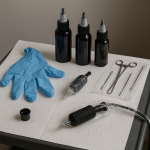
Using the correct tools is crucial in avoiding common piercing mistakes. The right equipment not only ensures precision but also minimizes the risk of infection. Here’s a quick look at the pros and cons of different tools used in piercing.
- Needles: Precise and less traumatic to the skin, but require more skill.
- Piercing Guns: Quick and easy to use, but can cause tissue damage and are not suitable for all body parts.
- Clamps: Provide control and accuracy, but require proper sterilization to prevent contamination.
Each tool has its place in the piercing process, and understanding their uses and limitations is essential. At Skinart South Africa, our courses delve into the nuances of each tool, ensuring you’re well-prepared for any piercing scenario.
Additionally, investing in high-quality, sterilized equipment is non-negotiable. This investment not only protects the client but also enhances your professional reputation. Our online piercing course offers detailed guidance on selecting and maintaining your tools, setting you up for success in the industry.
Importance of Sterilization
Sterilization is a non-negotiable aspect of piercing. Failure to properly sterilize equipment can lead to severe infections and health complications. This section will highlight the critical steps in ensuring your tools and environment are sterile.
Firstly, always use an autoclave for sterilizing tools. Autoclaves use high-pressure steam to eliminate bacteria and viruses, making them essential in any piercing setup. Regular maintenance and testing of your autoclave ensure its effectiveness.
Additionally, maintaining a clean work environment is crucial. Disinfect surfaces before and after each client, and always use new gloves for every procedure. These practices not only protect your clients but also uphold your professional standards.
- Use an autoclave for tool sterilization.
- Disinfect all surfaces regularly.
- Always wear new gloves for each client.
- Store sterilized tools in a clean, dry place.
- Use disposable needles whenever possible.
- Ensure all jewelry is pre-sterilized.
- Conduct regular checks on sterilization equipment.
- Follow health department guidelines for hygiene.
Common Aftercare Errors
Aftercare is a vital component of the piercing process, and mistakes here can lead to complications such as infections or delayed healing. Educating clients on proper aftercare is just as important as the piercing procedure itself.
- Not following cleaning instructions.
- Touching the piercing with unclean hands.
- Changing jewelry too soon.
- Using alcohol-based products on piercings.
- Ignoring signs of infection.
- Using non-recommended cleaning solutions.
- Exposing the piercing to unclean water.
- Failing to attend follow-up appointments.
To avoid these common aftercare errors, provide clients with detailed instructions and emphasize the importance of following them. Skinart South Africa’s courses include comprehensive aftercare training, ensuring that you can confidently guide your clients through their healing process.
Clear communication and regular follow-up can prevent many aftercare issues, leading to satisfied clients and successful healing. Remember, the aftercare phase is where your expertise can truly shine, solidifying your reputation as a professional piercer.
Placement and Alignment
Proper placement and alignment of piercings are essential for aesthetic appeal and healing. Misaligned piercings can cause discomfort and dissatisfaction, leading to potential removal or re-piercing.
- Consult with clients on their desired look.
- Mark the piercing site before proceeding.
- Check alignment from multiple angles.
- Consider the anatomy of the piercing site.
- Ensure jewelry fits the area appropriately.
- Avoid placing piercings too close to edges.
- Use a mirror to confirm alignment with the client.
- Adjust for swelling when selecting jewelry size.
Attention to detail in placement and alignment can significantly enhance the client’s satisfaction. Our courses at Skinart South Africa cover these crucial skills, preparing you to execute piercings with precision and care.
By mastering these techniques, you’ll be able to offer clients piercings that not only look great but also heal well, reinforcing your reputation as a top-tier piercer in South Africa.
Skinart Piercing Course South Africa
At Skinart South Africa, our online piercing courses are designed to provide you with comprehensive knowledge and skills. Whether you’re a beginner or looking to refine your techniques, our courses offer valuable insights into avoiding common piercing mistakes.
Frequently Asked Questions
What are the most common piercing mistakes? The most common mistakes include using unsterilized equipment, improper aftercare, and incorrect placement.
How can I ensure my piercing heals properly? Follow the aftercare instructions provided by your piercer, and avoid touching the piercing with dirty hands.
Why is sterilization important in piercing? Sterilization prevents infections and ensures the safety of both the client and the piercer.
Can I change my piercing jewelry immediately? It’s best to wait until the piercing has healed fully before changing jewelry to avoid complications.
What should I do if my piercing gets infected? Consult with your piercer or a healthcare professional immediately for appropriate treatment.
Final Thoughts
Embarking on a journey in the world of body piercing requires dedication, knowledge, and a commitment to continuous learning. By understanding and avoiding common piercing mistakes, you not only protect your clients but also enhance your skills and reputation.
At Skinart South Africa, we’re here to support you every step of the way. Our courses are designed to equip you with the latest techniques and industry standards, ensuring you’re well-prepared to deliver exceptional service.
Take the next step in your professional journey with confidence, knowing that you’ve got the backing of an internationally recognized training provider. Your success in the piercing industry starts with the right education and a commitment to excellence.
Recent Blog Posts
- 🌙 Eid Mubarak: Celebrate with 5% Off in 2026!
 Eid Savings: 5% Off All Courses Celebrate Eid with a special offer: 5% off any course. Use code EID5 at checkout.… Read More »🌙 Eid Mubarak: Celebrate with 5% Off in 2026!
 - Top Mistakes New Body Artists Should Avoid (2026)
 Stay Ahead: Common Pitfalls for New Artists Read up on the most frequent errors new body artists make, and how to… Read More »Top Mistakes New Body Artists Should Avoid (2026)
 - Client Communication Skills: 2026 Body Art Success
 Master Consultation for Better Results Top communication strategies for client satisfaction and better outcomes in 2026 and beyond. X Send Chat