
How to Become a Body Piercer in South Africa
Updated
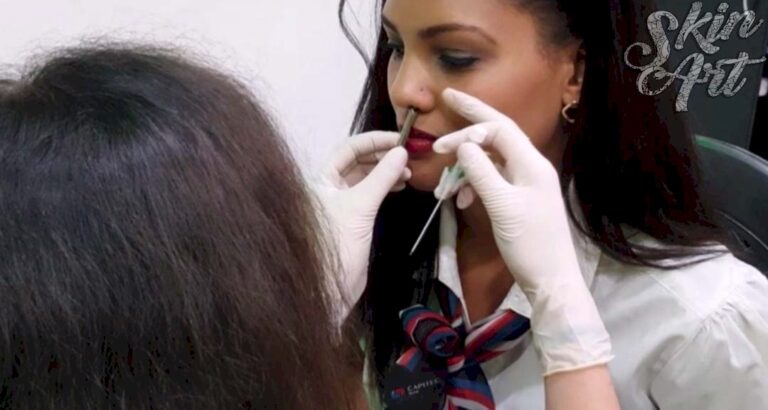
Learning body piercing combines technical study, practical development and careful communication with clients. This guide outlines training topics and the workplace questions to consider when planning your next steps.
Compare Skinart’s online body piercing course with the in-person piercing course. Review the curriculum, practice and assessment requirements, equipment choices and support before choosing the format that suits your study plans.
Janet is Skinart’s in-person piercing and PMU trainer in South Africa. Ask the team about the current classroom schedule and which practical sessions are included in your selected course.
Why Choose Piercing as a Career
Choosing piercing as a career in South Africa offers a unique blend of creativity, personal interaction, and professional growth. As a body piercer, you have the opportunity to express artistry while helping clients make personal statements through their body art. The profession is not only about aesthetics but also about ensuring safety and comfort for your clients.
Before choosing a studio role or planning your own business, compare local opportunities, working hours and operating costs. Include equipment, consumables, premises and continued training in your budget.
Skinart’s body piercing course covers hygiene, equipment, consultation, piercing techniques and aftercare. Course completion records your training; workplace, insurance and local requirements must be checked separately wherever you intend to work.
Steps to Become a Body Piercer
Embarking on a career as a body piercer in South Africa involves several key steps. First, it’s crucial to understand the importance of professional training. Enrolling in a reputable course, such as those offered by Skinart South Africa, provides a strong foundation in both the art and science of piercing.
Next, gaining hands-on experience through internships or apprenticeships is invaluable. This practical exposure allows you to apply your theoretical knowledge in real-world settings, learning from experienced professionals in the industry.
Review the training provider’s syllabus, practical work and assessment, and check what its completion certificate records. For the work you plan to offer, ask the relevant local authority and prospective insurer about requirements for the service and premises.
Check the rules where you will work. Section 15 of eThekwini’s published Municipal Public Health By-law requires municipal health compliance certificates for body piercers, tattooists and their premises. A training certificate is a different document. If you plan to work in Durban, confirm the current application and premises requirements with eThekwini’s environmental health service. Elsewhere, ask your municipality’s environmental health office about the rules for your intended work and address.
- Enroll in a professional piercing course.
- Gain practical experience through internships.
- Check course assessment and certificate details, plus requirements for your planned service and premises.
- Set up a professional portfolio.
- Stay updated with industry trends and standards.
- Network with other professionals in the field.
- Consider joining professional associations.
- Continuously improve your skills through workshops.
Pros and Cons of Being a Body Piercer
Like any career, being a body piercer has its advantages and challenges. Understanding these aspects can help you make an informed decision about pursuing this path.
- Pros: Creative freedom, flexible work hours, and the ability to make a difference in clients’ lives.
- Cons: Physical demands, potential health risks, and the need to stay updated with industry regulations.
Despite the challenges, many find the pros of being a body piercer outweigh the cons. The satisfaction of helping others express themselves and the potential for career growth are significant motivators.
Keep a record of practical work and feedback, and use it to choose the next skill to practise. Continuing development is part of planning your work as a piercer.
Essential Skills and Tools
To succeed as a body piercer, you need a combination of technical skills and personal qualities. These skills ensure you provide high-quality service and maintain a safe environment for your clients.
Technical skills include proficiency in using piercing tools, understanding of anatomy, and knowledge of aftercare procedures. Personal qualities such as patience, attention to detail, and excellent communication skills are equally important.
Learn how equipment selection, sterilisation and safe handling fit together. Compare the course equipment information with the tasks you will practise before buying supplies.
- Needle piercing tools
- Autoclave for sterilization
- Body jewelry in various sizes and styles
- Antiseptic solutions and aftercare products
- Disposable gloves and masks
- Basic first aid knowledge
- Customer service skills
- Continuous education and training
Common Mistakes to Avoid
As you embark on your journey as a body piercer, it’s important to be aware of common mistakes that can hinder your success. Avoiding these pitfalls will help you build a reputable and thriving career.
- Skipping proper training and certification
- Neglecting hygiene and sterilization protocols
- Using low-quality or non-sterile equipment
- Failing to communicate effectively with clients
- Ignoring client aftercare instructions
- Not keeping up with industry trends and techniques
- Underestimating the importance of customer service
- Overlooking the need for continuous education
Use this list when reviewing your practice: identify the task, note what needs attention and ask a clear question when you need feedback.
At Skinart South Africa, we emphasize the importance of quality training and ongoing education to help you avoid these pitfalls and thrive in your piercing career.
FAQ
What qualifications do I need to become a body piercer in South Africa?
Start with the course curriculum, practical assignments and assessment requirements. Ask the relevant local authority, workplace and insurer what evidence and arrangements they require for your intended work.
How long does it take to become a professional body piercer?
Skinart’s online course is self-paced. Plan time for lessons, practical assignments, feedback and assessment rather than relying on a fixed completion date.
Is body piercing a good career choice in South Africa?
Consider whether the practical work, client communication and studio responsibilities suit you. Compare local opportunities and costs before committing to a business plan; a course does not establish future earnings.
What are the risks involved in body piercing?
Risks include infections, allergic reactions, and improper healing. Proper training, hygiene, and aftercare are essential to minimize these risks.
Where can I find piercing courses in South Africa?
Skinart South Africa offers online and in-person body piercing training. Compare the current course pages for their curriculum, practice arrangements, equipment choices, assessment and support. Contact the team if you need help choosing a learning format.
Final Thoughts
Review the body piercing curriculum and the practical work involved before enrolling. A useful study plan includes time for lessons, assignments and feedback, alongside the materials you need.
At Skinart South Africa, we are committed to providing high-quality education and support to aspiring piercers. Our courses are designed to equip you with the necessary skills and knowledge to excel in this exciting industry.
Explore the online piercing course below for its curriculum, purchase options and support arrangements.
Recent Blog Posts
 How to pause a consultation without losing claritySometimes the most useful outcome of a consultation is a clear next step rather than an immediate booking. A calm pause…
 Read product instructions before making a practice planA familiar product name does not tell you everything about its intended use. Product-specific questions belong at the start of planning,…
 Build a practice journal you will actually useA useful practice journal makes the next session easier to plan. It does not need to become a second project or…
