
Is Body Piercing a Good Career in South Africa?
Updated
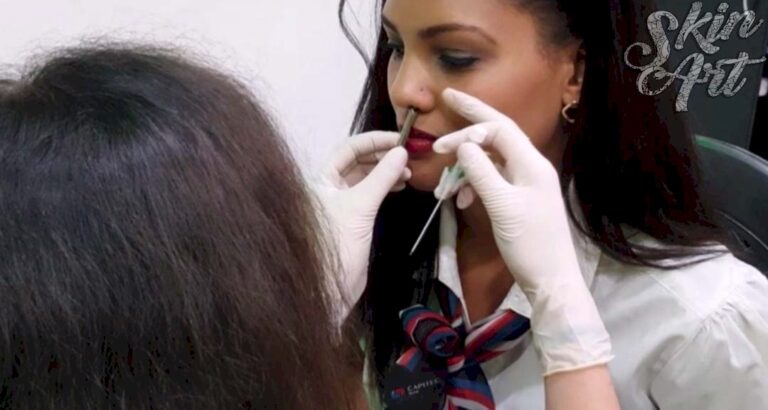
Body piercing combines precise practical work with client communication, hygiene and aftercare. Whether it suits you depends on the work you enjoy, the training and supervised experience you can arrange, and the opportunities available in your area.
Before investing in training or a studio, speak with local studios about their recruitment needs, expected skills and working arrangements. Compare those answers with the course curriculum, practical assignments and feedback available from your training provider.
This guide helps you compare the everyday work, training choices, costs and possible routes into body piercing in South Africa. Use the questions below to make a career plan that fits your circumstances.
Industry Overview
Body piercers consult with clients, assess suitable placement, prepare equipment, perform procedures and explain aftercare. A career decision should start with an understanding of these responsibilities and the practical standards expected by the studio or workplace you hope to join.
Look beyond social-media trends when assessing local opportunities. Ask studios which services they offer, whether they take trainees, how supervision works and what evidence of practical competence they expect. Client enquiries and actual vacancies are more useful for planning than assumptions about market growth.
Skinart is listed as an accredited provider by the CPD Standards Office, with Body Piercing among its listed training activities. Review what accreditation covers alongside the curriculum, assessment and practical training arrangements. A course certificate does not by itself establish practical readiness or the suitability of a proposed workplace.
Pros and Cons of a Piercing Career
Choosing a career in body piercing offers numerous benefits, but like any profession, it also has its challenges. Understanding these pros and cons can help you make an informed decision about whether this path is right for you.
- Creative Freedom: Express yourself through your art.
- Working Hours: Compare the actual studio schedule, weekend work and appointment expectations with your availability.
- Local Opportunities: Ask nearby studios about vacancies, trainee places and the services clients request.
- Personal Connection: Build lasting relationships with clients.
- Pay and Costs: Compare the actual salary, commission or self-employed terms after accounting for operating costs.
- Initial Investment: Requires purchasing equipment and supplies.
- Hygiene Responsibilities: Plan for equipment preparation, cleaning, waste handling and clear aftercare.
- Emotional Demands: Requires patience and good communication skills.
The work can appeal to people who enjoy precise procedures and helping clients make informed choices. To assess its financial fit, compare the pay terms available to you with equipment, jewellery, consumables, premises and other operating costs.
Weigh these factors against your goals, budget and available time. Arrange a conversation with a working studio and a training provider before deciding which route to pursue.
Skills Required for Success
To thrive in the body piercing industry, you’ll need a unique combination of skills that go beyond the technical aspects of piercing. Here are some essential skills to cultivate:
- Technical Proficiency: Mastering piercing techniques and equipment.
- Hygiene Knowledge: Understanding and applying health and safety standards.
- Artistic Vision: Creating aesthetically pleasing results for clients.
- Communication: Effectively interacting with clients and understanding their needs.
- Problem-Solving: Handling unexpected situations with confidence.
- Business Acumen: Managing finances, marketing, and client relations.
- Empathy: Understanding and supporting clients’ emotions and concerns.
- Attention to Detail: Ensuring precision in every piercing procedure.
Use the course syllabus to identify the skills you will study, the assignments you must complete and how feedback is provided. Ask how supervised practical experience can be arranged and what the course assessment requires.
Training and practice work together. Keep a record of feedback, repeat tasks that need improvement and discuss your next practical steps with an appropriate supervisor before taking on work beyond your current competence.
Common Mistakes to Avoid
Even experienced piercers can fall into the trap of common mistakes that may hinder their career growth. Being aware of these pitfalls can help you avoid them and maintain a high standard of professionalism.
- Neglecting Hygiene: Skipping essential sanitation procedures.
- Overlooking Client Comfort: Failing to ensure client ease during procedures.
- Ignoring Aftercare: Not providing clients with proper aftercare instructions.
- Avoiding Feedback: Not seeking client feedback to improve services.
- Inconsistent Pricing: Setting inconsistent or unclear pricing structures.
- Lack of Marketing: Not promoting your services effectively.
- Stagnation: Failing to keep up with industry trends and techniques.
- Poor Communication: Misunderstanding client requests or concerns.
Review these areas during practice and ask for specific feedback on any part you find difficult. Clear records, consistent communication and a repeatable preparation routine give you concrete points to improve.
When comparing training, ask which of these responsibilities the curriculum covers and how the assignments are assessed. Use the answers to plan practice and further support rather than assuming that enrolment alone prepares you for every workplace.
Career Opportunities in South Africa
Start with the opportunities you can verify locally. Ask studios and other potential workplaces about their services, recruitment needs, supervision and equipment arrangements before choosing a career route.
- Established Studios: Ask about vacancies, trainee opportunities, supervision and the expected standard of practical work.
- Workplace Choice: Check the cleaning, equipment preparation and waste-handling arrangements of any proposed workspace.
- Collaborations: Discuss the division of responsibilities, client care and equipment arrangements with a potential partner.
- Retail Opportunities: Confirm which procedures, training and practical skills the employer expects.
- Event Enquiries: Check whether a proposed venue supports appropriate premises, hygiene and aftercare arrangements before accepting work.
- Further Development: Build supervised experience before considering work that involves training others.
- Scope of Work: Compare the procedures a workplace offers with your training, supervision and practical experience.
- Self-Employment: Prepare a budget and check local premises enquiries, insurance and ongoing operating costs.
Compare the specific offer or business plan available to you. Studio employment, commission work and self-employment involve different costs, responsibilities and levels of support.
Use the course curriculum and assessment requirements to plan your training. Discuss supervised practice and any additional experience a prospective workplace expects before treating a course as a route into a particular job.
Frequently Asked Questions
Is body piercing a good career choice in South Africa?
What qualifications do I need to become a piercer?
How can I start a career in body piercing?
What are the potential earnings for a body piercer?
Are there online courses available for body piercing in South Africa?
Final Thoughts
A body-piercing career decision becomes clearer when you compare the everyday work with a realistic training, practice and financial plan. Local studio conversations and specific course questions help you decide whether the work fits your interests and circumstances.
Review Skinart’s current Body Piercing curriculum and ask how assignments, assessment, feedback and practical experience fit your intended route. Keep those answers alongside any workplace requirements and your budget.
Use the course link below to compare the current training details and equipment choices. Confirm the practical arrangements and next steps that matter to you before enrolling.
Recent Blog Posts
 How to pause a consultation without losing claritySometimes the most useful outcome of a consultation is a clear next step rather than an immediate booking. A calm pause…
 Read product instructions before making a practice planA familiar product name does not tell you everything about its intended use. Product-specific questions belong at the start of planning,…
 Build a practice journal you will actually useA useful practice journal makes the next session easier to plan. It does not need to become a second project or…
