
Accredited Online Tattoo Courses: What You Will Learn
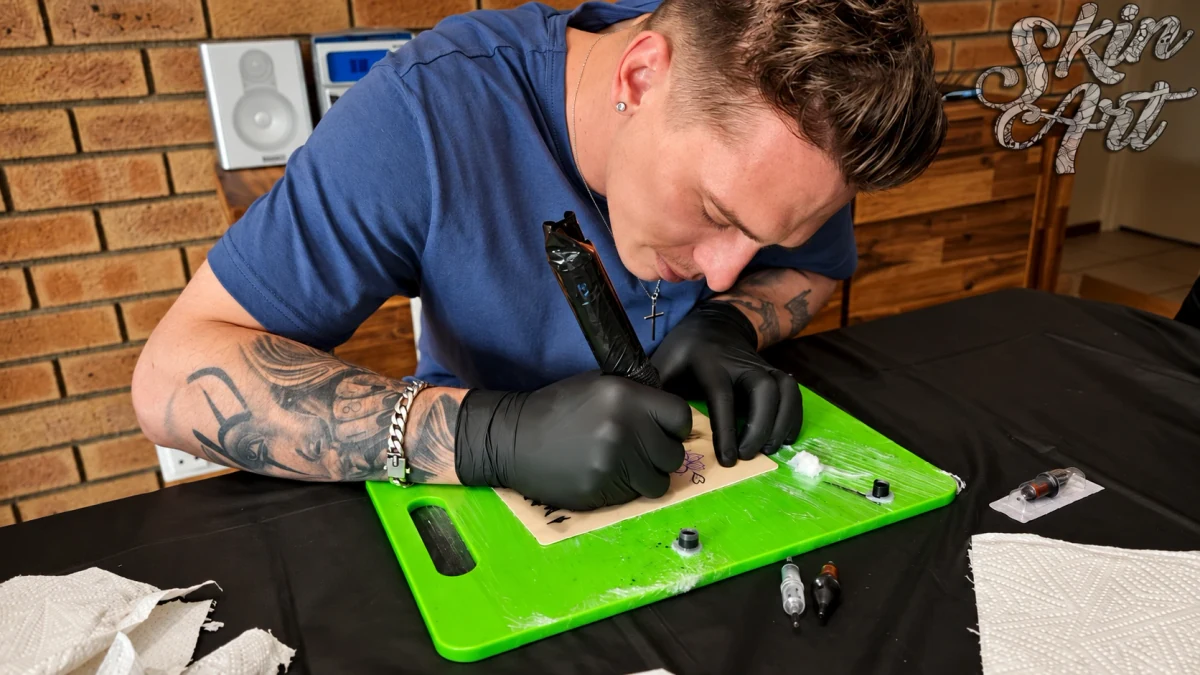
A useful online tattoo course combines explanation with assignments and practice. To compare courses, look at the actual curriculum and learning requirements as well as accreditation. Here is how the published Skinart South Africa tattoo curriculum fits together.
Build a foundation in design and preparation
The curriculum starts with tattoo art, themes, styles and history, then moves into designing and simplifying tattoos. It includes design assignments and stencil or trace methods. These topics give you work to complete and review, rather than only demonstrations to watch.
Keep your design attempts and note what changed between them. A short record such as “simplified the shape; adjusted the spacing; next attempt needs clearer contrast” makes a practice session easier to revisit. This is a study example, not an assessment result or a student testimonial.
Work through equipment and technique topics
Published equipment topics include coil and pen machines, assembly, maintenance and wrapping. Technique topics include linework, black work, shading, colour and particular styles such as script. Follow the course order and its practical instructions instead of treating a chapter name as enough guidance to perform a procedure.
The aim of a study plan is to connect an explanation to the assigned work. Choose a specific practice task, complete it on the appropriate course practice material and record questions. Watching the same video again without identifying the difficulty may be less useful than asking about that particular point.
Include hygiene and professional practice in the plan
- Work through the hygiene and cross-contamination topics.
- Review the lessons about the intended business setting and local enquiries.
- Complete the relevant aftercare and workstation learning.
- Keep photography and portfolio work connected to your actual progress.
- Review the final course requirements before expecting a certificate.
The published syllabus includes these professional topics alongside artistic skills. They should remain part of the learning plan rather than becoming material to skip on the way to technique demonstrations.
Check accreditation and the learning format
The CPD Standards Office provider listing names Fundamentals of Tattooing. Verify the named activity when comparing accreditation claims. Independent CPD recognition is different from a regulated qualification or permission to operate a studio.
Skinart’s tattoo course page describes recorded lessons, assignments and practice at your own pace. Video running time is only one part of study: review, practice and feedback also take time. Check the current course terms for access, completion and support, and distinguish the Full Course from the first Pay As You Go part.
Review the full curriculum before choosing
Explore the online tattoo course to check its current syllabus, learning format and purchase options. Compare the actual training with the evidence requested for your proposed work.
If you are unsure which course fits your existing skills, contact Skinart South Africa with your location, experience and intended services. We can explain the training; the relevant authority and insurer confirm their own requirements.
Recent Blog Posts
 How to pause a consultation without losing claritySometimes the most useful outcome of a consultation is a clear next step rather than an immediate booking. A calm pause…
 Read product instructions before making a practice planA familiar product name does not tell you everything about its intended use. Product-specific questions belong at the start of planning,…
 Build a practice journal you will actually useA useful practice journal makes the next session easier to plan. It does not need to become a second project or…
