Do You Need a Tattoo License in South Africa?
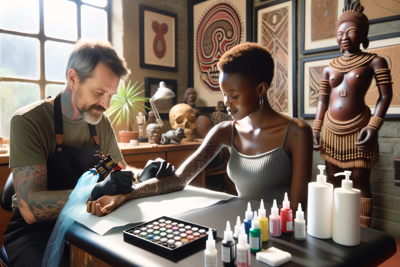
Are you considering a career in tattooing in South Africa? One of the first questions you might ask is whether you need a tattoo license. Understanding the regulations surrounding tattooing in South Africa is crucial for ensuring that you operate legally and professionally. In this comprehensive guide, we’ll delve into the requirements and steps necessary to secure your place in this vibrant industry.
With the growing popularity of tattoos, the industry in South Africa is thriving. However, this growth comes with responsibilities and regulations to ensure the safety and satisfaction of clients. Whether you’re planning to open your own studio or work as an artist, knowing the legal landscape will set you on the path to success.
Let us guide you through everything you need to know about obtaining a tattoo license in South Africa, from the legal requirements to the benefits of professional training. Read on to discover how you can turn your passion for tattooing into a rewarding career.
Understanding Tattoo Regulations in South Africa
The tattoo industry in South Africa is subject to specific regulations designed to protect both artists and clients. These regulations ensure that health standards are maintained, and artists are qualified to perform tattoo procedures safely. It’s important to understand these laws to operate a legitimate and successful tattoo business.
Currently, South Africa does not have a national tattoo license that artists must obtain. However, local municipalities may have their own requirements and bylaws governing tattoo practices. It’s crucial to check with your local health department to understand what is needed in your area.
Additionally, maintaining a clean and hygienic workspace is non-negotiable. The South African Health Department provides guidelines on hygiene standards that must be adhered to, ensuring the safety of both the artist and the client. Being informed about these regulations is the first step in your tattooing career.
Steps to Obtain a Tattoo License
While there is no official national tattoo license in South Africa, there are several steps you can take to ensure you meet all local requirements and operate legally. Here are the general steps you should follow:
- Research local municipal regulations regarding tattooing.
- Ensure your studio meets health and safety standards as outlined by local health departments.
- Consider obtaining a certification from a recognized body like the CPD Standards Office or BAQA.
- Complete a professional tattoo training course to enhance your skills and credibility.
- Maintain a portfolio of your work to showcase your skills to potential clients.
- Network with other tattoo artists and join professional associations.
- Stay updated on industry trends and legal changes to remain compliant.
- Invest in high-quality equipment and supplies to ensure the best outcomes for your clients.
Taking these steps will not only help you comply with regulations but also build a reputable and successful tattoo business. Remember, the key to success in this industry is continuous learning and improvement.
Pros and Cons of Licensing
Obtaining a tattoo license, or ensuring you meet local regulations, comes with its own set of advantages and disadvantages. Understanding these can help you make an informed decision about pursuing a career in tattooing.
- Pros:
- Ensures compliance with health and safety standards.
- Enhances credibility and trust with clients.
- Opens up opportunities for professional growth and networking.
- Provides a competitive edge in the industry.
- Facilitates continuous learning and skill enhancement.
- Boosts confidence in your abilities as a professional artist.
- May offer legal protection and support in case of disputes.
- Cons:
- Initial costs for training and certification can be high.
- Finding the right training program can be time-consuming.
- Keeping up with changing regulations requires ongoing effort.
- May encounter bureaucratic hurdles in obtaining local permits.
- Can be a lengthy process to establish a reputation and client base.
- Potential for competition in a growing industry.
- Requires commitment to maintaining health and safety standards.
- Need for continuous investment in equipment and supplies.
Despite the challenges, the benefits of pursuing a professional path in tattooing far outweigh the drawbacks. With dedication and the right guidance, you can establish a thriving career in this artistic field.
By understanding both the pros and cons, you can create a strategic plan that aligns with your career goals and aspirations. Remember, success in this industry is built on passion, skill, and professionalism.
Common Mistakes in Tattoo Licensing
Embarking on a tattooing career requires careful attention to the legal and professional requirements. Here are some common mistakes to avoid when pursuing a tattoo license or meeting local regulations:
- Ignoring local municipal regulations and requirements.
- Failing to maintain a clean and hygienic workspace.
- Neglecting to invest in professional training and certification.
- Using substandard equipment and supplies.
- Overlooking the importance of building a strong portfolio.
- Not networking with other professionals in the industry.
- Failing to keep up with industry trends and legal changes.
- Underestimating the time and effort required to establish a reputation.
Avoiding these mistakes will set you on the right path to a successful career in tattooing. It’s crucial to approach this profession with dedication and a willingness to learn and adapt.
By being proactive and informed, you can navigate the complexities of the tattoo industry and build a rewarding career. Remember, success is a journey, not a destination.
Importance of Professional Training
Professional training is a cornerstone of a successful tattooing career. It equips you with the skills and knowledge needed to excel in this competitive industry. Here’s why professional training is essential:
At Skinart South Africa, we offer comprehensive training programs that cover all aspects of tattooing, from basic techniques to advanced artistry. Our courses are designed to meet the highest industry standards, ensuring you receive the best education possible.
Our training is fully accredited with the CPD Standards Office and the Body Art Qualification Association (BAQA), providing you with recognized qualifications that enhance your credibility and career prospects. With over 25 years of experience, our lead tutor, Gary Erskine, has trained thousands of students worldwide, sharing his expertise and passion for tattooing.
- Gain hands-on experience with professional equipment.
- Learn from experienced professionals with industry insights.
- Receive personalized guidance and mentorship.
- Build a strong portfolio to showcase your skills.
- Understand health and safety standards and practices.
- Access networking opportunities with other artists.
- Stay updated with the latest trends and techniques.
- Boost your confidence and professionalism.
Investing in professional training is an investment in your future. It provides you with the tools and knowledge needed to thrive in the tattoo industry and stand out as a skilled and reputable artist.
Join Skinart South Africa and embark on a journey of learning and creativity. Our courses are designed to empower you with the skills and confidence needed to succeed in this dynamic field.
Frequently Asked Questions
Do I need a national tattoo license in South Africa?
No, there is no national tattoo license required in South Africa. However, local municipalities may have their own regulations and requirements that you must adhere to.
What are the requirements for opening a tattoo studio in South Africa?
To open a tattoo studio, you must comply with local health and safety regulations, ensure your workspace is hygienic, and meet any municipal requirements for licensing or permits.
Is professional training necessary for tattoo artists in South Africa?
While not legally required, professional training is highly recommended. It provides you with the skills, knowledge, and credibility needed to succeed in the industry.
How can I ensure my tattoo studio meets health standards?
Follow guidelines provided by the South African Health Department, maintain a clean workspace, use sterilized equipment, and regularly update your knowledge on health and safety practices.
Can I start tattooing without any formal training?
While it’s possible, it’s not advisable. Formal training enhances your skills, professionalism, and client trust. It also ensures you understand the health and safety aspects of tattooing.
Final Thoughts
Entering the tattoo industry in South Africa can be a rewarding journey filled with creativity and personal growth. While the path to becoming a professional tattoo artist comes with its challenges, the rewards of pursuing your passion and building a successful career are immeasurable.
By understanding the regulatory landscape, investing in professional training, and continuously improving your skills, you can set yourself apart in this competitive field. Remember, success is not just about technical skills but also about professionalism, ethics, and a commitment to excellence.
As you embark on this exciting journey, know that Skinart South Africa is here to support you every step of the way. With our comprehensive training programs and expert guidance, you can achieve your dreams and make your mark in the tattoo industry.
Get Started with Skinart South Africa
Skinart South Africa offers a full tattoo training course that covers everything you need to know. It’s designed to open doors wherever you go. Click the button below to explore what’s included and get accredited the right way.
Recent Blog Posts
- 🌙 Eid Mubarak: Celebrate with 5% Off in 2026!
 Eid Savings: 5% Off All Courses Celebrate Eid with a special offer: 5% off any course. Use code EID5 at checkout.… Read More »🌙 Eid Mubarak: Celebrate with 5% Off in 2026!
 - Top Mistakes New Body Artists Should Avoid (2026)
 Stay Ahead: Common Pitfalls for New Artists Read up on the most frequent errors new body artists make, and how to… Read More »Top Mistakes New Body Artists Should Avoid (2026)
 - Client Communication Skills: 2026 Body Art Success
 Master Consultation for Better Results Top communication strategies for client satisfaction and better outcomes in 2026 and beyond. X Send Chat