
Is Tattooing a Good Career in South Africa?
Updated
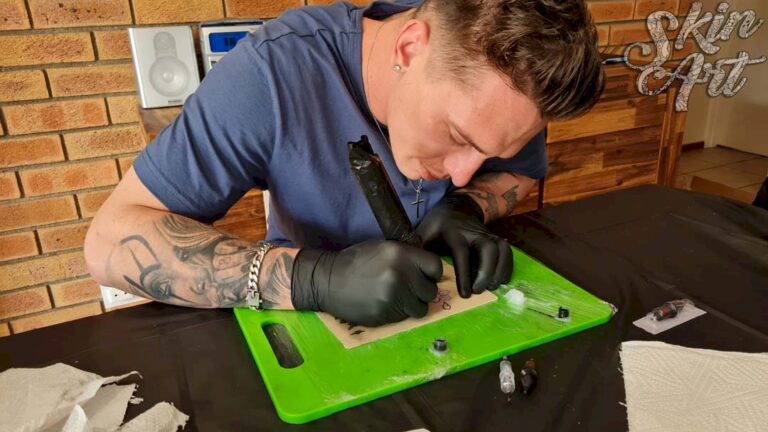
Tattooing can appeal to people who enjoy drawing, careful practical work and working with clients. In South Africa, choosing it as a career also means planning for training, equipment, studio responsibilities and the time needed to build a portfolio. This guide weighs those commitments against the creative opportunities so you can decide whether the work suits you.
South Africa offers a wide range of artistic influences and studio settings. Before choosing between joining a studio and building your own business, research local demand, speak to working artists and understand how each arrangement pays for materials, workspace and client appointments.
Skinart’s tattoo course provides recorded lessons, practical assignments and support. Compare that training with the skills you want to develop, and keep local studio research and a realistic budget alongside your study plan.
Table of Contents
Exploring Opportunities in the Tattoo Industry
Possible routes include working within an established studio, developing a specialist style or eventually running a business. Availability and earnings depend on local demand, practical ability and the working arrangement; look at real opportunities in your area before committing to a career plan.
Different studios and clients favour different styles. Build a foundation in drawing, linework, shading and colour, then compare examples of the work local studios expect from a beginner portfolio.
Moreover, the tattoo industry is not limited to just creating body art. There are opportunities in teaching, running workshops, and even participating in international tattoo conventions. These avenues allow artists to expand their careers beyond the traditional studio setting, making tattooing a dynamic and exciting career choice.
Pros and Cons of a Tattoo Career
Like any career, tattooing comes with advantages and challenges. Consider how these fit your interests, budget and existing commitments before choosing a training route.
- Pros:
- Creative freedom and expression
- Flexible working hours
- Different employment, commission and independent working options
- Opportunities for travel and networking
- Constant learning and skill development
- Being part of a vibrant and supportive community
- Cons:
- Initial investment for equipment and training
- Irregular income, especially when starting
- Physical strain and potential health risks
- Need for continuous marketing and client acquisition
- Competition in the industry
Despite the challenges, many tattoo artists find the rewards far outweigh the difficulties. The ability to create lasting art and connect with clients on a personal level is a significant draw for those passionate about tattooing.
Review the demands of the work against your current skills and budget. Training can give you a structured starting point; practical feedback and local opportunities help you decide what to pursue next.
Essential Skills and Training for Tattoo Artists
Becoming a successful tattoo artist requires a combination of artistic talent, technical skills, and business acumen. Here are some key skills and training areas to focus on:
- Artistic skills: Drawing and design are fundamental to creating beautiful tattoos.
- Technical skills: Mastering tattoo equipment and techniques is essential.
- Hygiene and safety: Understanding health regulations and practicing safe tattooing.
- Customer service: Building rapport and understanding client needs.
- Business management: Marketing, bookkeeping, and managing a studio.
- Continuous learning: Staying updated with trends and new techniques.
- Portfolio development: Showcasing your best work to attract clients.
- Networking: Building connections within the industry.
Skinart’s tattoo curriculum covers design, equipment setup, linework, shading, hygiene and practical assignments. Gary Eagle teaches the tattoo course. Review the published lessons and use tutor feedback to plan your practical development.
Compare the online and in-person formats with your schedule and learning needs. Check the practical arrangements, equipment choices and assessment requirements for the option you select.
Common Mistakes and How to Avoid Them
Embarking on a tattoo career can be daunting, and it’s easy to make mistakes along the way. Here are some common pitfalls and how to avoid them:
- Skipping structured learning: Compare the lessons, practical assignments and feedback before choosing a course.
- Ignoring hygiene standards: Always maintain the highest hygiene practices.
- Underpricing services: Know your worth and charge accordingly.
- Failing to market yourself: Use social media and networking to attract clients.
- Overlooking client consultation: Understand your clients’ needs and preferences.
- Neglecting continuous learning: Stay updated with industry trends and techniques.
- Poor time management: Balance appointments with personal time effectively.
- Not building a portfolio: Regularly update and showcase your work.
Keep a simple checklist for training, practical work, equipment costs and studio research. Review it regularly so you can see which decisions still need evidence.
Use the Skinart team’s support to ask about a lesson, assignment or unclear equipment instruction. Record the feedback and apply it to the next exercise.
Career Growth and Earnings Potential
Career and income plans depend on the working arrangement, local bookings and costs. Use the possibilities below as questions to investigate rather than expected outcomes:
- Compare actual studio pay or commission terms, including the costs deducted from appointment revenue.
- Opportunities to open your own studio and expand your business.
- Possibility of collaborating with other artists and participating in conventions.
- Chance to diversify into teaching or offering workshops.
- Networking with international artists and expanding your client base.
- Seek practical feedback and review how your portfolio matches studio expectations.
- Check who sets prices and hours under the proposed studio agreement.
- Potential to create a personal brand and merchandise.
The Skinart course provides a training sequence and practical assignments. Use that work to build evidence of your skills, then investigate the experience and resources needed for a particular role or business plan.
Set milestones you can assess: completed assignments, more consistent practical work, useful feedback and a clear understanding of the costs of your next step.
Building Evidence for Your Career Plan
A useful career plan starts with evidence you can gather yourself. Compare local studio expectations, record your practice progress and budget for the costs of starting and maintaining the work.
- Ask local studios what they look for in a beginner portfolio and what feedback or supervision they can offer.
- Keep dated examples of drawing, stencil preparation and practice-skin exercises so you can see where your work is becoming more consistent.
- Compare employment, commission and independent working arrangements, including who pays for consumables and workspace.
- Plan time for consultation, design work, cleaning, record keeping and continued learning as well as tattoo appointments.
- Review your progress with an experienced tutor and set practical goals for the next stage of training.
A portfolio and a realistic budget give you more useful evidence than a promise of quick success. Review both as your skills develop and your understanding of local opportunities improves.
The current Skinart tattoo course page explains the lessons, practical assignments and assessment process so you can compare the training with your own learning needs.
Frequently Asked Questions
Is tattooing a good career in South Africa?
It can suit people who enjoy creative work, precise practical skills and client communication. A sound decision depends on your training needs, local opportunities, start-up costs and willingness to build experience over time.
What skills do I need to become a tattoo artist?
Key skills include artistic talent, technical proficiency, hygiene practices, customer service, and business management.
How much can a tattoo artist earn?
Compare actual salary or commission terms and distinguish appointment revenue from income after costs. Allow for unbooked time, consumables, studio expenses and the hours spent on design and administration.
Do I need formal training to become a tattoo artist?
Choose training that explains the curriculum, practical assignments, feedback and assessment requirements. Ask prospective studios what skills and experience they expect before comparing course options.
What are the benefits of training with Skinart South Africa?
Skinart’s tattoo course combines recorded lessons, practical assignments and support. Its syllabus includes fine-line and other tattoo styles, equipment setup and hygiene; check the current course page for the full sequence and equipment options.
Final Thoughts
Before committing to a tattoo career, look at the daily work as well as the finished art. Drawing, hygiene routines, client communication and business administration all need time and attention. Choose training that helps you practise and assess those skills, then review your next steps with evidence from your own progress.
Use the current course details to plan study, assignments and practice. Keep tutor feedback with your work so you can review progress and identify the next skill to develop.
Take the first step towards a rewarding tattoo career by enrolling in our courses. Whether you choose online or in-person training, we are here to guide you every step of the way.
Skinart Tattoo Course South Africa
Review Skinart’s tattoo syllabus, practical assignments, assessment requirements and equipment choices below. The course certificate records completed training; use your portfolio and the requirements of the intended role to plan what comes next.
Recent Blog Posts
 How to pause a consultation without losing claritySometimes the most useful outcome of a consultation is a clear next step rather than an immediate booking. A calm pause…
 Read product instructions before making a practice planA familiar product name does not tell you everything about its intended use. Product-specific questions belong at the start of planning,…
 Build a practice journal you will actually useA useful practice journal makes the next session easier to plan. It does not need to become a second project or…
