
Tattoo Courses South Africa: Where to Start as a Beginner
Updated
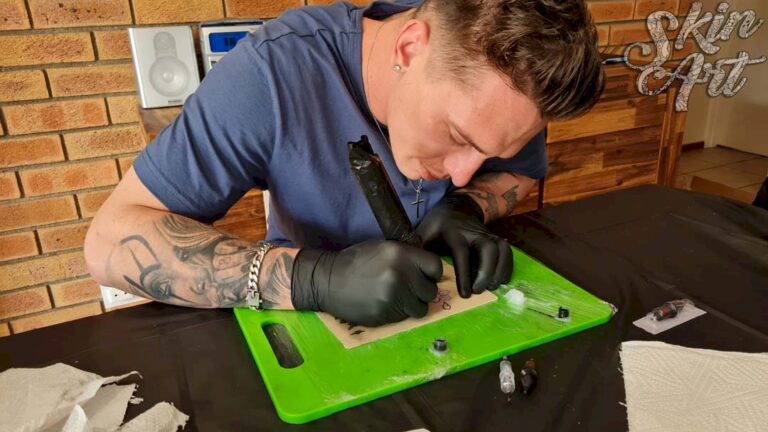
Start a tattoo course comparison with the tasks you want to learn: drawing, equipment familiarisation, hygiene and structured practice. Then compare the lesson format, practical work and feedback offered before choosing a course.
A useful starting point is a short learning plan. Note your drawing experience, the time available for study and the questions you want a trainer to help you answer.
Skinart South Africa offers online and in-person tattoo training. These formats have different schedules and practical arrangements, so check the specific course rather than assuming that every option includes the same experience.
Understanding Tattoo Courses
Starting a career in tattooing begins with choosing the right course. Tattoo courses in South Africa are designed to cater to a wide range of students, from complete beginners to those looking to refine their skills. These courses cover various aspects of tattooing, including design, hygiene, and machine operation.
Skinart Trading Pty Ltd is listed by the CPD Standards Office as provider 22634, with Fundamentals of Tattooing among its accredited activities. The course pages include a provider verification link. Compare the current curriculum and certificate requirements for the option you choose.
The in-person tattoo course lists four days of in-person training plus online material, including supervised work on real models. Online study has its own recorded lessons and practical assignments; it should not be described as automatically including the same in-person supervision.
Choosing the Right Path
Choose a course by comparing its practical arrangements with your learning goals. Ask what you will practise, who reviews the work and how questions are handled. If a style interests you, look for it in the actual lesson list.
- In-Person: Check the dates, venue and practical supervision included in the selected course.
- Travel and Time: Allow for attendance, transport and any accommodation needed.
- Pros of Online Courses: Flexibility, self-paced learning, and accessibility.
- Online Practice: Plan time and space for assignments as well as watching lessons.
If you benefit from demonstrations and feedback in the same room, review the in-person schedule and ask how the practical sessions are organised. Confirm any model arrangements with the team before booking.
The online tattoo course is self-paced and includes fine-line work alongside other styles. Use the fine-line tattooing study guide to connect that interest with drawing practice and the current course curriculum.
Benefits and Challenges of Tattoo Courses
A course provides a structure for study, but progress also depends on the time you can give to exercises and reviewing feedback. Consider these commitments alongside the course features:
- Learning Resources: Compare the syllabus, demonstrations, assignments and certificate requirements.
- Challenges: Time commitment, financial investment, and the need for continuous practice.
Keep a record of the course details that matter to you, including kit contents, access terms and the method for submitting practical work. Ask about anything that is not clear from the published offer.
Gary Eagle teaches Skinart’s tattoo and permanent makeup courses. Review the curriculum and lesson examples to see the training offered.
Common Mistakes to Avoid in Tattoo Courses
Use these common study mistakes as a checklist when planning your first exercises:
- Neglecting hygiene and safety practices.
- Skipping foundational skills in favor of advanced techniques.
- Not practicing regularly outside of class.
- Ignoring feedback from instructors.
- Choosing a course based solely on price.
- Underestimating the importance of design skills.
- Not recording specific questions for feedback.
- Trying to cover too many learning goals at once.
Understanding these common mistakes will help you navigate your training more effectively. It’s important to remember that learning to tattoo is a journey that requires dedication, practice, and an open mind.
Use a short paper drawing exercise to compare straight lines, curves and spacing. Keep the attempt with your notes, choose one feature to improve and ask your trainer a specific question before repeating it.
Getting Started with Skinart South Africa
Use the current Skinart tattoo course pages to compare the following details before choosing your starting option:
- Lesson topics covering design, equipment, hygiene and professional practice.
- Tattoo lessons taught by Gary Eagle.
- Flexible learning options, including online and in-person training.
- Specific CPD provider and activity information available to verify.
- Supervised real-model work listed for the in-person course; check its arrangements.
- The support and feedback arrangements for your selected course.
- Practical assignments and opportunities to review your work.
- Equipment inclusions and any supplies you need to obtain separately.
Compare the Full Course and Pay As You Go Part 1 options on the online course page. Part 1 is a starting stage, not the complete course; review the stages and selected purchase details before enrolling.
Ready to get started? Visit our course page to learn more about our offerings and how you can begin your journey with us.
Frequently Asked Questions
What is the best way to start a career in tattooing in South Africa?
Begin with the fundamentals and choose a training format whose lessons, practical work and feedback you understand. Compare the actual online and in-person offers with the time and support you need.
Are online tattoo courses effective?
Recorded lessons can support regular study and repeat viewing. Plan time for practical assignments and ask what feedback or further supervised development you may need; watching lessons alone is not a measure of practical readiness.
How long does it take to complete a tattoo course?
The online course is self-paced. The in-person tattoo offer lists four days plus additional online training. These are different formats, so use the schedule and completion requirements of the course you select.
What qualifications do I need to enroll in a tattoo course?
Check the entry requirements for your chosen course and ask the team about any uncertainty before booking. Drawing practice and a regular study routine are useful ways to prepare.
What should I compare before choosing tattoo training?
Compare the curriculum, practical arrangements, feedback, equipment, access terms and certificate requirements. Ask how you will identify the next learning task after an assignment has been reviewed.
Final Thoughts
Start with a manageable study goal and a course format you can commit time to. Keep practice records and use feedback to decide what to repeat or develop next.
Skinart offers recorded online lessons and a separate in-person tattoo course. Review their current teaching and practical arrangements to decide which fits your needs.
Explore the tattoo course below, compare the purchase options and ask the team about any remaining questions before enrolling.
Recent Blog Posts
 How to pause a consultation without losing claritySometimes the most useful outcome of a consultation is a clear next step rather than an immediate booking. A calm pause…
 Read product instructions before making a practice planA familiar product name does not tell you everything about its intended use. Product-specific questions belong at the start of planning,…
 Build a practice journal you will actually useA useful practice journal makes the next session easier to plan. It does not need to become a second project or…
