Tattoo Linework Practice Techniques for New Artists
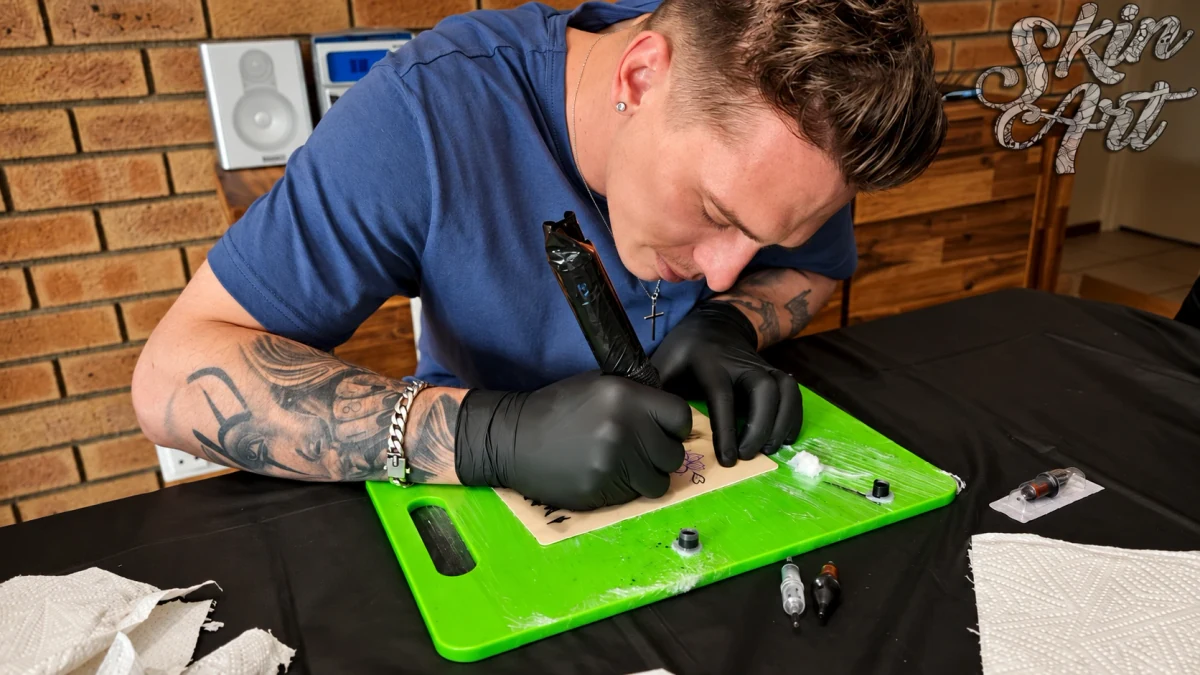
Start with one practice goal: observe the continuity and consistency of your lines on paper or trainer-approved practice material. Keep a dated record, compare attempts and ask for feedback before moving to a more demanding task. These exercises do not establish readiness to tattoo a person.
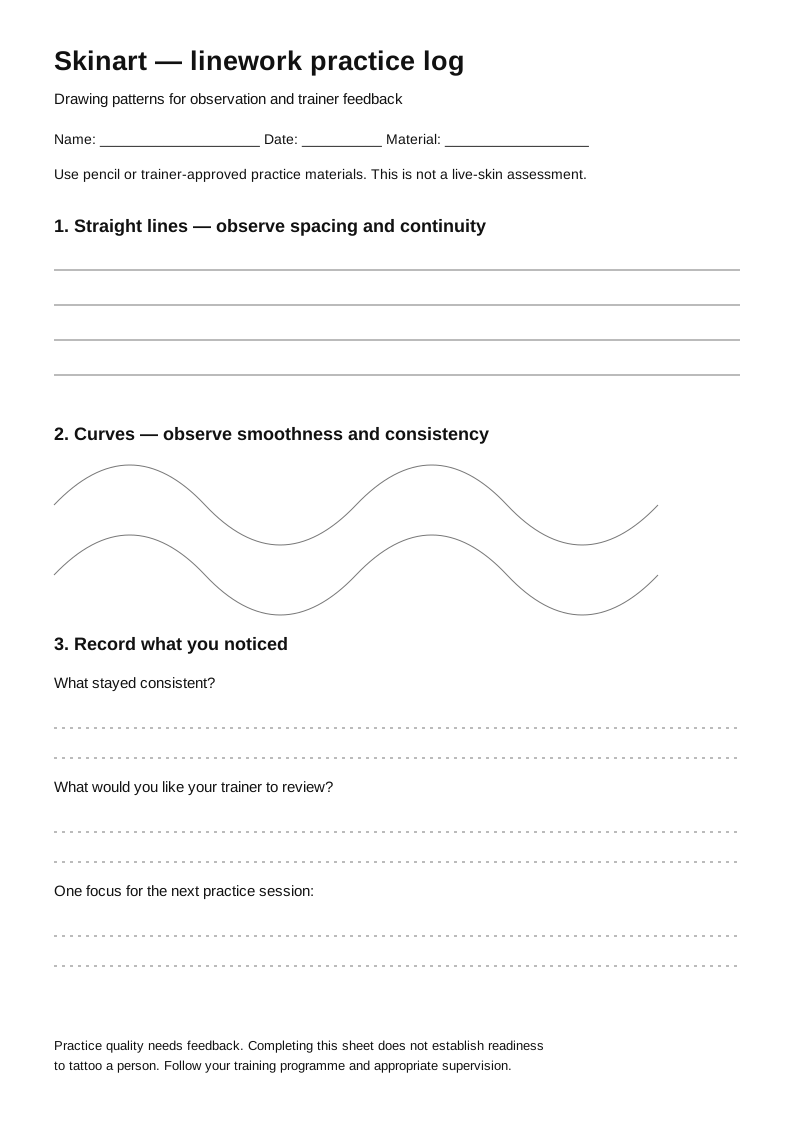
Use the printable sheet to record what you notice and the questions you want your trainer to review. It provides drawing patterns and a learning log, not machine settings or instructions for live skin.
A three-part paper practice session
Use a pencil or drawing pen and the existing printable sheet. Choose one pattern, keep the page orientation and tool the same, and compare attempts. These are drawing exercises; they do not specify tattoo-machine settings or techniques for a person.
- Connect two points. Mark pairs of dots on paper and draw a single line between each pair. Circle where a line overshoots, stops early or changes direction. Keep the first attempt visible rather than tracing over it to hide the result.
- Repeat a curve. Draw several C-shaped curves of similar size. Compare the opening, the curve’s shape and where each stroke begins and ends. Change one thing on the next row, such as the size of the curve, and label the change.
- Compare spacing. Draw a small group of parallel lines. Look at the gaps between them as well as the lines themselves. Mark where a gap widens or narrows; repeat the group beside it so you can compare both attempts.
Record what you can observe
Date the sheet and write the tool, pattern and single practice goal. Choose one feature that stayed consistent and one you want feedback on. Take both the first attempt and the repeat to your trainer. Ask which observation matters most and what exercise to try next; a neat worksheet does not establish readiness for live work.

As a budding tattoo artist in South Africa, mastering the art of linework is your gateway to creating stunning and precise body art. Whether you’re just starting or looking to refine your skills, understanding and practicing tattoo linework is crucial. At Skinart South Africa, we recognize the importance of this skill and have tailored our courses to help you excel in this essential area of tattooing.
Review the course curriculum, instructor details and lesson examples to understand the training offered. Ask Skinart who will teach and support you on your selected course.
Table of Contents
Understanding the Importance of Linework
Linework is the foundation of any great tattoo. It defines the structure and clarity of the design, and getting it right is crucial for any aspiring tattoo artist. In South Africa, where the tattoo industry is thriving, having impeccable linework can set you apart from the competition. This skill not only enhances the aesthetic appeal of your designs but also boosts your confidence as an artist.
At Skinart South Africa, we emphasize the importance of linework in our tattoo courses. We believe that understanding the nuances of linework can transform your tattooing from average to exceptional. With the right techniques and practice, you can achieve precision and fluidity in your designs, making your work stand out in the industry.
Whether you’re working on simple line tattoos or intricate designs, mastering linework is essential. It ensures that your tattoos have a professional finish and longevity, which is vital for client satisfaction and your reputation as an artist. As you progress in your tattooing journey, linework will become one of your most valued skills.
Essential Tools and Techniques
For any tattoo artist, having the right tools is as important as mastering the techniques. Quality tools can make a significant difference in the outcome of your linework. In South Africa, where the tattoo scene is vibrant and competitive, investing in good equipment is a smart move for any serious artist.
- For these drawing exercises, use paper, a pencil or drawing pen and the printable practice sheet.
- Keep a dated folder so you can compare attempts made with the same tool and pattern.
- For any machine-based practice, use your trainer’s approved materials, equipment instructions and supervision plan. A shopping list is not a substitute for that instruction.
- Discuss equipment selection, maintenance and hygiene with your trainer before moving beyond paper exercises.
By equipping yourself with the right tools and refining your techniques, you’ll be well on your way to mastering tattoo linework. In our courses at Skinart South Africa, we provide hands-on training with industry-standard equipment to prepare you for success in the field.
Remember, practice makes perfect. The more you work with your tools, the more comfortable and skilled you’ll become. Don’t be afraid to experiment and find what works best for you as you develop your unique style.
Overcoming Common Challenges
Every new tattoo artist faces challenges when it comes to linework. It’s a complex skill that requires patience, precision, and practice. However, these challenges can be overcome with the right mindset and strategies.
- Hiding the first attempt by drawing over it: keep it visible and repeat beside it.
- Changing several variables at once: label one change so you can compare the result.
- Judging only a single good line: compare the whole row for consistency.
- Copying a finished design without permission: use your own patterns or a resource you are allowed to practise with.
- Treating a tidy practice sheet as permission to work on someone: practical readiness needs appropriate instruction, supervision and assessment.
At Skinart South Africa, we address these challenges in our courses by providing you with practical solutions and expert guidance. Our experienced tutors, including Gary Erskine, share their insights and tips to help you overcome these hurdles and refine your skills.
Remember, every artist has faced these challenges at some point. With persistence and dedication, you can transform these obstacles into stepping stones on your path to becoming a skilled tattoo artist.
Effective Practice Tips for Beginners
As a new tattoo artist, practice is your best friend. The more you practice, the more confident and skilled you will become. Here are some effective practice tips to help you improve your tattoo linework:
- Choose one observable goal, such as reaching an endpoint or keeping gaps similar.
- Start with simple pencil or pen patterns on paper.
- Keep the earlier attempt and label any change you make on the next attempt.
- Use the printable sheet to record observations, not a pass/fail judgement about professional readiness.
- Bring specific questions and examples to your trainer for feedback.
At Skinart South Africa, we encourage our students to practice diligently and seek feedback. Our courses are designed to provide a supportive environment where you can learn, grow, and refine your skills under the guidance of industry professionals.
Remember, every great artist started where you are now. With dedication and perseverance, you can achieve the level of expertise you aspire to in your tattooing career.
Advanced Techniques for Linework
Once you’ve mastered the basics of tattoo linework, it’s time to explore advanced techniques that can elevate your artistry. These techniques require a deeper understanding of the craft and a willingness to experiment and push your boundaries.
Advanced linework techniques include using varying line weights to create depth and dimension, employing cross-hatching for shading, and mastering the art of dotwork for intricate designs. These techniques allow you to add complexity and texture to your tattoos, making them more dynamic and visually appealing.
At Skinart South Africa, our courses cover these advanced techniques in detail, providing you with the knowledge and skills to execute them confidently. Our experienced tutors guide you through the process, offering personalized feedback and support to help you refine your craft.
- Experiment with line weights: Use varying line thicknesses to create contrast and interest.
- Try cross-hatching: Use intersecting lines to add shading and texture.
- Explore dotwork: Create intricate designs using small dots for shading and detail.
- Focus on detail: Pay attention to the smallest details to enhance the overall design.
- Understand design flow: Ensure your linework flows naturally with the design.
- Incorporate negative space: Use empty space effectively to highlight the design.
- Utilize color linework: Experiment with colored inks for unique effects.
- Study other artists: Learn from the techniques of established tattoo artists.
By incorporating these advanced techniques into your practice, you’ll be able to create more sophisticated and compelling tattoos. As you continue to learn and grow, these skills will become an integral part of your artistic repertoire.
Common Mistakes to Avoid
Even the most experienced tattoo artists can make mistakes, but by being aware of common pitfalls, you can avoid them and ensure the quality of your linework. Here are some mistakes to watch out for:
- Hiding the first attempt by drawing over it: keep it visible and repeat beside it.
- Changing several variables at once: label one change so you can compare the result.
- Judging only a single good line: compare the whole row for consistency.
- Copying a finished design without permission: use your own patterns or a resource you are allowed to practise with.
- Treating a tidy practice sheet as permission to work on someone: practical readiness needs appropriate instruction, supervision and assessment.
At Skinart South Africa, we emphasize the importance of avoiding these mistakes in our training programs. Our experienced instructors provide guidance and feedback to help you develop good habits and refine your technique.
By being mindful of these common mistakes and actively working to avoid them, you’ll be able to produce high-quality tattoos that meet your clients’ expectations and enhance your reputation as a skilled artist.
Review Your Practice with a Trainer
Bring a dated practice sample to your trainer and explain what you were trying to improve. Ask which features are consistent, which need attention and what to focus on next. Compare your own work over time rather than treating someone else’s outcome as a promise.
Use the practice sheet to record feedback and the next agreed exercise. A completed worksheet is a learning record, not a certificate of practical readiness.
Frequently Asked Questions
How can I improve my tattoo linework?
Improving tattoo linework requires consistent practice, high-quality tools, and learning from experienced artists. Enroll in a professional tattoo course, like those offered at Skinart South Africa, to receive expert guidance and feedback.
What tools are essential for tattoo linework?
For the exercises on this page, use paper and a pencil or drawing pen. Ask your trainer about the equipment, materials and supervision appropriate to later course work.
Can I practice tattoo linework at home?
You can do the paper drawing exercises at home. Machine-based practice needs an appropriate training plan and materials; do not use this article as instructions to tattoo yourself or another person.
How long does it take to master tattoo linework?
There is no timetable in this article for practical readiness. Keep a dated record and use trainer feedback and the relevant assessment process to decide what needs further work.
What are the common mistakes to avoid in tattoo linework?
Common mistakes include rushing the process, inconsistent line pressure, and neglecting hygiene. It’s important to take your time, maintain a steady hand, and work in a clean environment to produce high-quality tattoos.
Final Thoughts
Mastering tattoo linework is an essential step in your journey as a tattoo artist. By focusing on the right techniques, tools, and practice methods, you can develop the skills needed to create stunning and precise tattoos. Remember, every artist starts somewhere, and with passion and perseverance, you can achieve your artistic goals.
At Skinart South Africa, we are committed to helping you succeed in the tattoo industry. Our comprehensive courses provide the knowledge, support, and hands-on experience you need to refine your skills and build a successful career. Whether you’re just starting or looking to enhance your expertise, our training programs are designed to meet your needs.
Take the next step in your tattoo journey and join our community of talented artists. With the right guidance and dedication, you can become a skilled and sought-after tattoo artist in South Africa and beyond.
Get Started Today
Skinart South Africa offers a full tattoo training course that covers everything you need to know. It’s designed to open doors wherever you go. Click the button below to explore what’s included and get accredited the right way.
Recent Blog Posts
Choose your next learning goal with evidenceA long list of courses can make progress feel harder to define. Start with a specific task you want to understand…
Avoid These Consultation Mistakes in 2026A good consultation leaves the client and artist with the same understanding of the proposed work, its limits and the next…
Sterilization 2026: Setting the Gold Standard in Your StudioReviewing a studio's sterilization arrangements means checking an established, documented process with a qualified person. A clean-looking instrument or a completed…